Do Car Black Boxes Record Voices
No, the event data recorder in your car captures driving data like speed and braking, not audio from inside the cabin.
These devices track motion, not conversation
The event data recorder in your vehicle exists to reconstruct what the car was physically doing in the seconds around a crash. It logs things like speed, brake application, seatbelt status, and steering input. That's the whole purpose of the system, and it was built by automakers long before usage based insurance existed, so audio recording was never part of the design.
This is different from devices some insurers ask you to plug in or apps they ask you to install for usage based programs. Those can include GPS location and phone activity, and some track phone handling while driving. Whether any of that includes audio depends entirely on the specific program, so if a potential discount hinges on a telematics device or app, read what that specific tool collects rather than assuming it matches your car's built in recorder.
State law also shapes this. Some states have specific rules about who owns the data in your car's event recorder and what has to happen before anyone, including an insurer, can access it, usually requiring your consent or a court order. Check your state's rules if you want to know exactly who can pull this data and when.
The practical case where this matters for you is after an accident. If there's a dispute about speed or whether you braked, the event recorder data can support your account or contradict it. It's a factual record of mechanics, not a recording of what anyone said, so it won't help or hurt you based on arguments or conversations in the car.
A rear end collision where the data settled the dispute
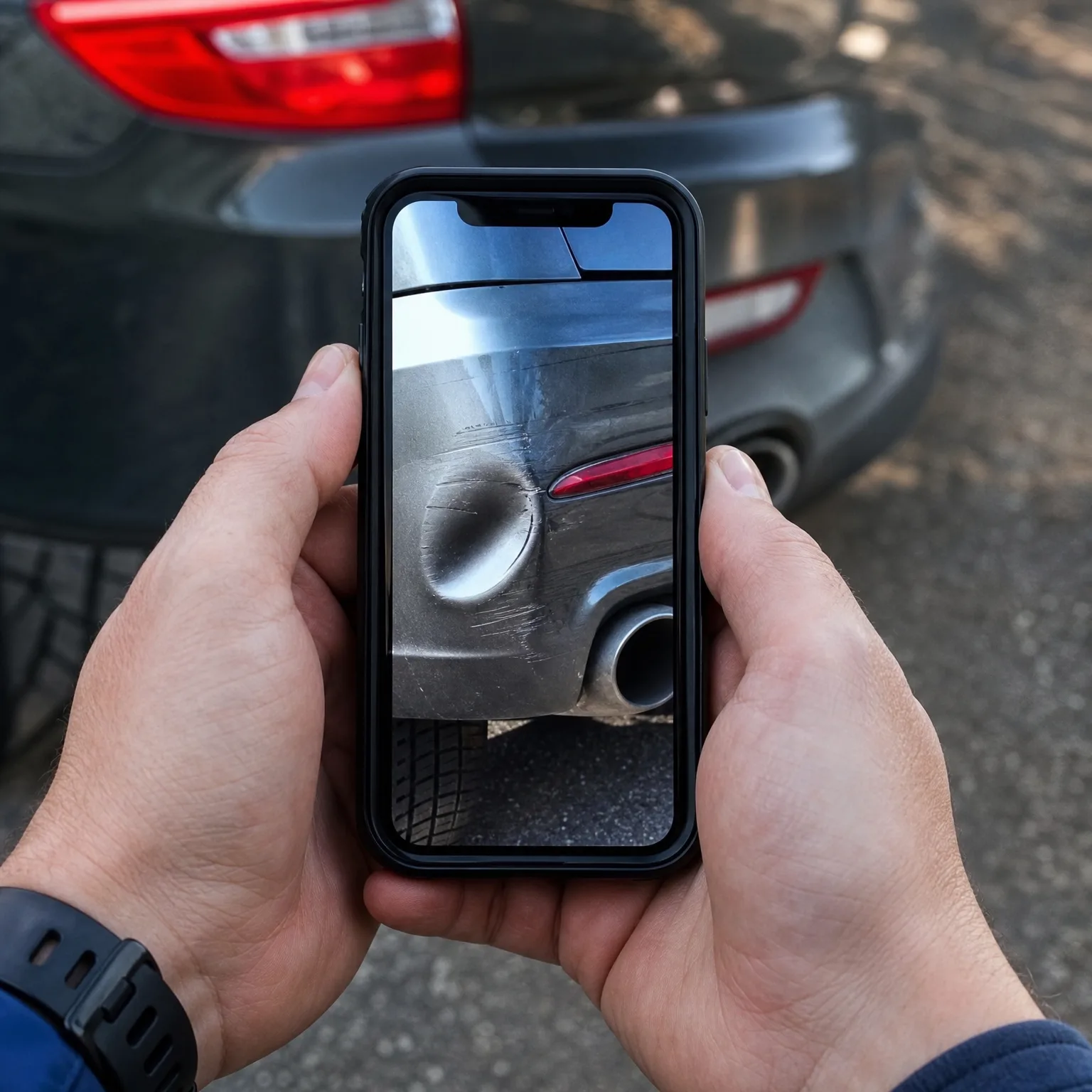
You're stopped at a light and get rear ended. The other driver tells the responding officer you stopped short for no reason, and their insurer is slow to accept fault. Your car has an event data recorder, and your insurer requests the data as part of the claim, which requires your authorization under most state rules.
The data shows your brake lights were on for several seconds before impact and your speed had already dropped to zero before the collision. There's no audio, no record of anything said in the car, just a timeline of pedal and speed data. That timeline is enough to support your version of events, the other driver's insurer accepts liability, and your claim moves forward without a fight. You didn't need to argue your case because the mechanical record did it for you.
Now that you know what your car actually records, compare quotes knowing exactly what data is and isn't on the table.
Can my insurer access my black box data without asking me first?
Generally no. In most states, the data belongs to the vehicle owner, and an insurer needs your consent, a subpoena, or a court order to pull it, though the exact rule depends on your state.
In practice, after an accident your insurer will usually ask you to authorize the download as part of processing your claim, and you can ask questions before agreeing. If you're ever unsure whether a request is legitimate or what will be shared, ask your insurer directly what they're requesting and why, and check your state's specific law on event data recorder ownership and access before signing anything.

Whether you authorize access to your event data recorder after a claim
If you do
Your insurer gets objective data on speed, braking, and seatbelt use around the crash. If the data supports your account, it can speed up claim approval and settle fault disputes without lengthy back and forth. It contains no audio or conversation, just mechanical readings tied to the seconds before and after impact.
If you don't
Your insurer relies on witness statements, police reports, and physical evidence alone, which can slow the claim down considerably. If fault is disputed and the other driver has supporting data from their own vehicle, you may be at a real disadvantage. You can still ask questions or get legal advice first.
Does my car insurance company track me through my phone?
Only if you've opted into a usage based insurance program that uses an app, and even then only while that app is active and you've agreed to it. Standard policies don't access your phone at all. If you're enrolled in a telematics program, check the app's privacy settings and permissions to see exactly what it collects, since this varies by insurer and by the specific program you signed up for.
Can event data recorder information be used against me in an accident claim?
Yes, if the data shows you were speeding or braking late, it can work against your claim just as easily as it can support it. The data is neutral and reflects whatever actually happened. Check whether your state requires your consent before this data can be accessed, since that gives you a chance to understand what it shows before it's used in your claim.
Do insurance telematics devices record anything other than driving behavior?
It depends entirely on the specific device or app, so there's no single answer. Most focus on speed, braking, acceleration, and sometimes phone handling or location, but none of the mainstream programs record audio conversations. Before enrolling for a discount, read the program's data collection disclosure closely, since this is where you'll find exactly what's tracked and how long it's kept.