What Is a Glass Deductible
A glass deductible is what you owe before your insurer pays for a cracked windshield, and some states let you pay extra to erase it.
What a glass deductible actually controls
- It's part of comprehensive Glass damage from rocks, falling branches, or vandalism gets paid through your comprehensive coverage, not liability. If you dropped comprehensive to save money, glass repairs come entirely out of your pocket.
- Buying it down to zero Some insurers let you buy down your glass deductible to nothing, often for a small added cost. Ask whether this is offered in your state and what it adds to your monthly bill.
- Some states require it free A few states require insurers to waive the deductible for windshield repairs or replacements automatically. Check your state's rules so you're not paying for something you're already entitled to.
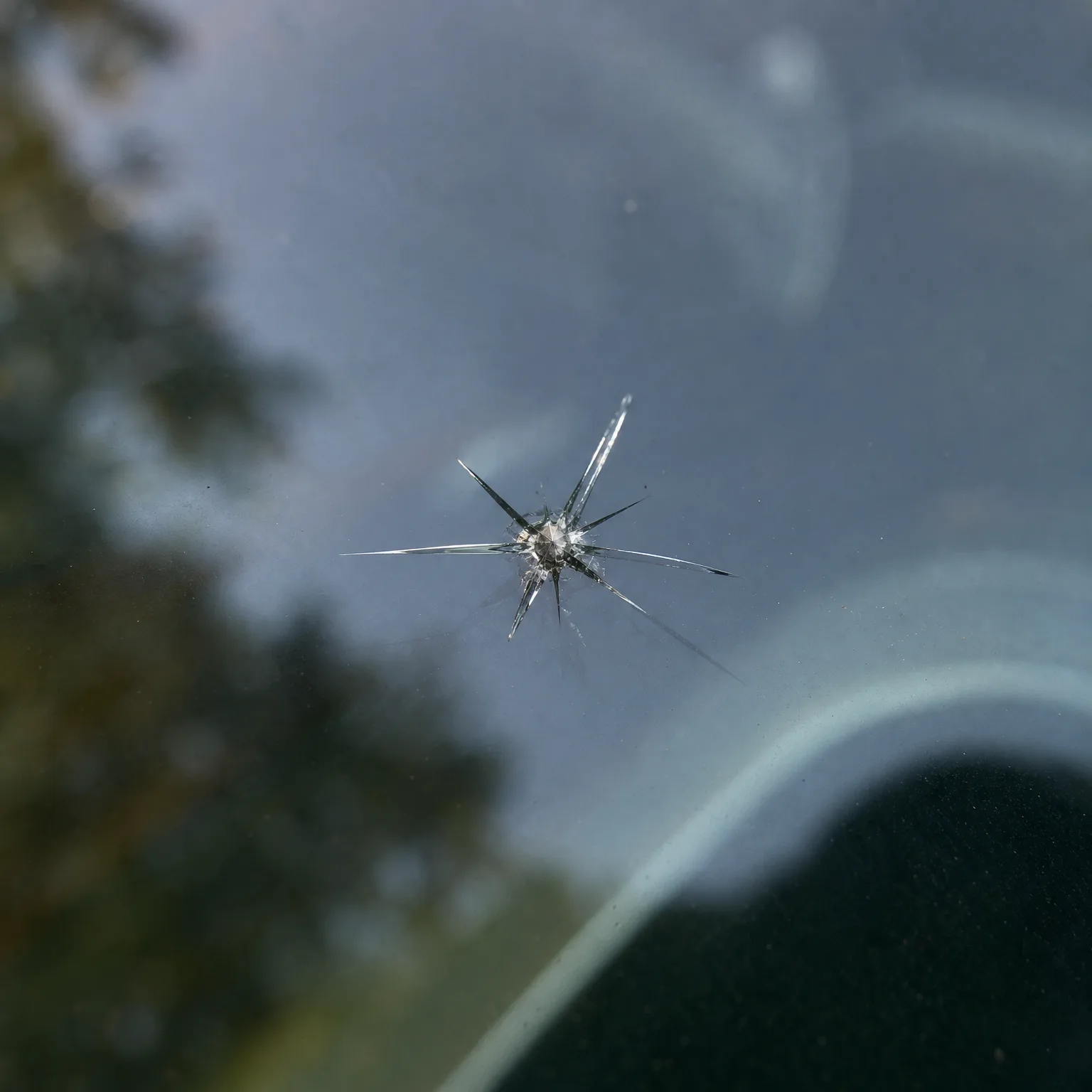
- Repair versus replace matters A chip that can be repaired instead of replaced often avoids the deductible entirely, since many insurers waive it for repairs. Ask your insurer before you assume a crack means a full payout fight.
- It resets with each claim You pay the deductible every time you file a separate glass claim, not once per policy term. If your windshield cracks twice in one year, expect to pay it twice unless you have full glass coverage.

A commuter weighs paying for full glass coverage
A reader drives a long stretch of highway every day for work, often behind trucks that kick up gravel. Their windshield had already been chipped twice in two years, and both times they paid the comprehensive deductible before the insurer covered the rest. They started wondering if there was a way to stop paying that fee every time.
They called their insurer and asked about full glass coverage, sometimes listed as a glass rider or endorsement. It was available in their state for a small monthly cost, low enough that even one future chip would make it worth it. They added it, and the next time a rock cracked their windshield, the whole repair was covered with no deductible at all. For someone who drives those same roads daily, the math kept working in their favor, but they knew a driver with fewer miles or a garage-kept car might not come out ahead the same way.
Is paying extra for full glass coverage worth it?
It depends on how much highway or gravel-road driving you do and how high your regular comprehensive deductible already is. If you drive a lot of miles on roads with loose rock, construction, or heavy truck traffic, chips and cracks happen more often, and a low-cost glass endorsement can pay for itself after just one claim.
If you drive mostly in town, park in a garage, or rarely deal with debris, the odds of needing it are lower, and you might be better off keeping your money and just paying the deductible if the rare chip happens. Ask your insurer what the added coverage costs monthly, then compare that to what you'd pay out of pocket for a single windshield repair or replacement in your area.
Now that you know how your glass deductible works, compare quotes to find the lowest cost to waive it.

Should you add full glass coverage
If you do
You pay a small amount more each month, but windshield chips and cracks get fixed with no deductible at all. If you drive high-mileage routes or gravel roads often, this usually pays for itself quickly and removes one more unpredictable expense from your budget.
If you don't
You keep your premium exactly as is, but every separate glass claim still requires paying your full comprehensive deductible first. If chips are rare for you, this can save money overall, but one bad crack on a work commute could cost more than a year of the added coverage would have.
Does a glass deductible apply to side windows too?
Yes, in most policies any glass on the vehicle counts, including side windows, rear windows, and sunroofs, not just the windshield. Comprehensive coverage treats all of these as glass damage. Check your policy wording though, since some insurers define glass coverage narrowly and limit free repairs to windshields only, treating other glass as standard comprehensive claims with the regular deductible.
Will filing a glass claim raise my insurance rate?
Usually not, since glass claims are typically treated separately from at-fault accident claims and rarely trigger a rate increase on their own. Insurers generally view them as low-risk, no-fault events. That said, filing several glass claims in a short period could still draw attention at renewal, so ask your insurer directly how they handle repeated small claims in your specific state.
Can I choose any auto glass shop for a windshield repair?
In most states, yes, you have the right to pick your own repair shop rather than one your insurer recommends. Some insurers have preferred networks that offer faster claims processing or guaranteed work. Ask your insurer whether using an outside shop affects your deductible, your wait time, or the quality guarantee on the glass work before you decide.