Can Insurance Telematics Be Turned Off
Yes, you can usually turn it off, but canceling early can cost you the discount you already earned and raise your rate back up.
Why turning it off changes your rate, not just your privacy
Telematics programs exist so insurers can price you on your actual driving instead of averages for people like you. When you opt in, you're trading some privacy for the chance at a lower rate, and the device or app is just how they collect that data. Turning it off ends the trade, which means the insurer goes back to pricing you on the general factors they used before.
What happens next depends on timing. If you turn it off before the program finishes its evaluation period, you usually lose any discount you were building and your rate reverts to the standard one, sometimes with no penalty beyond that. If you turn it off after you've already locked in a discount based on good driving data, some insurers let you keep it for the rest of the term, while others recalculate at renewal using whatever data they collected before you stopped.
There are also programs where bad driving data can raise your rate, not just fail to lower it. If that's your situation, turning it off before a renewal review can stop a penalty from kicking in, so the decision isn't only about losing a discount. It can also be about avoiding a cost.
This varies by insurer and sometimes by state, since some states limit how much telematics data can raise your rate even if they allow it to lower one. Check your policy documents or call your insurer directly to find out whether your specific program only rewards good driving or can also penalize you, and whether turning it off mid-term affects your current rate or just future ones.
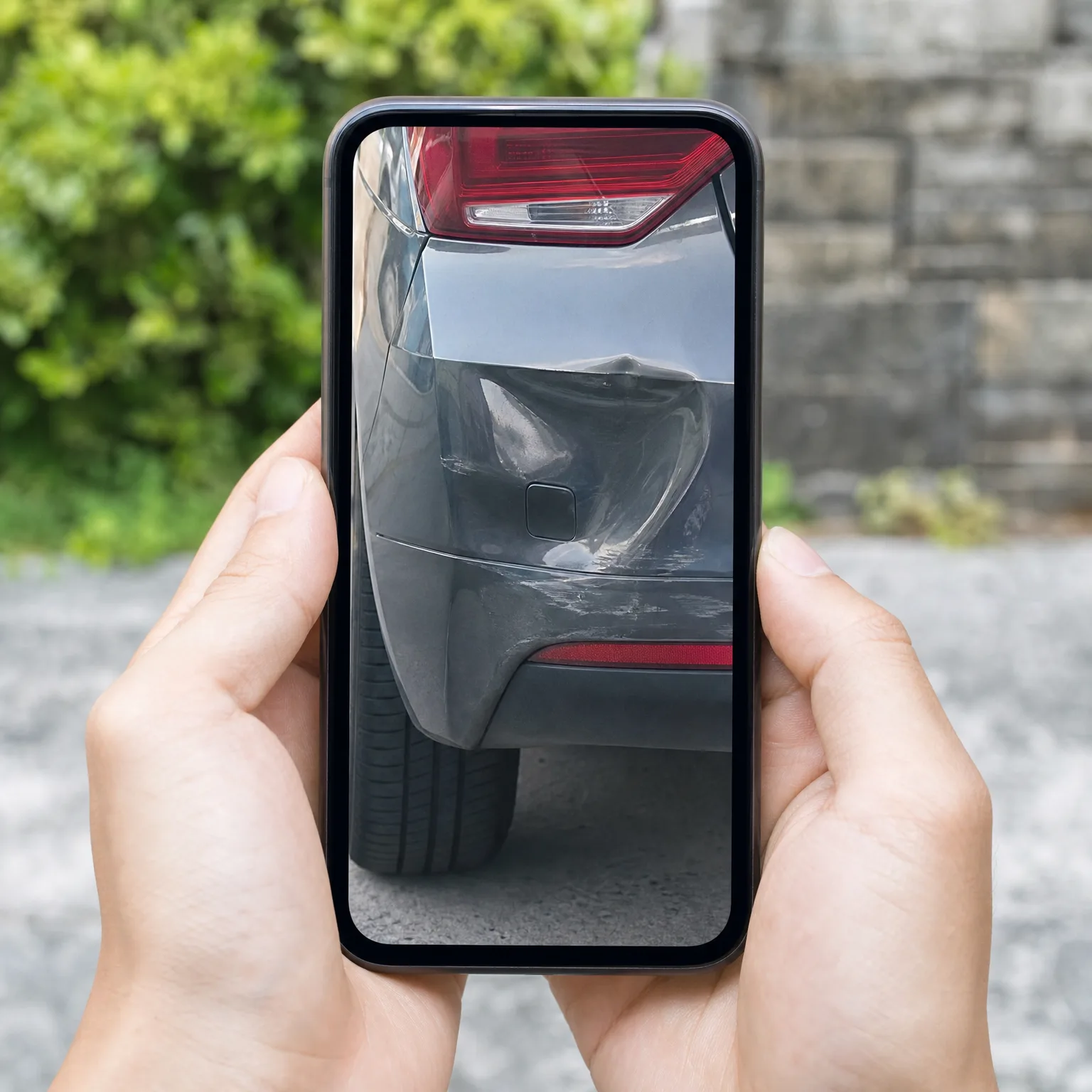
What to check before you flip the switch
- Your program's current phase Find out if you're still in the trial period or already locked into a discount. Stopping early in the trial usually just forfeits the discount, with no other penalty.
- Whether it can raise rates Some programs only reward safe driving, others can also penalize risky patterns. Ask your insurer directly which type you're enrolled in before deciding.
- How your discount gets applied Some insurers lock in your discount for the full term once earned, others reassess at every renewal. This determines whether turning it off protects what you already earned or risks losing it.
- The cancellation method Some programs auto-cancel if you stop using the app or remove the device, others require you to call and cancel formally. Confirm the right way so you're not still technically enrolled.
- State telematics rules A few states limit how telematics data can be used to raise rates. Check your state's insurance department site or ask your agent if those protections apply to you.

Now that you know how telematics affects your rate, compare quotes to find coverage that rewards safe driving.
Will turning off telematics make my insurer cancel my policy?
No, turning off telematics on its own does not give an insurer grounds to cancel your policy. Telematics programs are almost always optional add-ons, not a condition of coverage, so opting out just returns you to standard pricing based on your usual rating factors like your car, location, and driving history.
The one exception is if your insurer offered you a telematics-based policy as the only way to get coverage in the first place, which happens sometimes with certain risk profiles. In that specific case, dropping the program could mean dropping the policy type entirely. Ask your insurer directly whether your coverage was contingent on the program before you assume this won't apply to you.
A driver whose score started slipping after a schedule change
A driver had been in a telematics program for several months and was earning a solid discount from consistent, careful driving. Then a new job meant driving home late at night several times a week, and the late-night trips started showing up as a risk factor in the program's scoring, even though nothing about the actual driving had changed. The next monitoring update showed the discount shrinking, and the driver worried it would keep dropping.
Before making any decision, the driver called the insurer and asked two things, whether the program could eventually raise the rate above the standard one and whether quitting mid-term would lock in the current partial discount or forfeit it completely. The insurer confirmed the program only reduces rates, it never increases them above standard, and that stopping would simply freeze the discount at its current reduced level for the rest of the term. With that answer, the driver chose to stay enrolled, since there was no downside risk, and the discount partially recovered once the schedule evened out.
Does canceling telematics affect my insurance score separately from my rate?
No, most telematics programs don't feed into a separate insurance score that follows you elsewhere, the data usually just adjusts pricing with that one insurer. If you switch companies later, your new insurer typically can't see your old telematics history unless you enroll in their own program. Confirm this with your specific insurer since data-sharing practices can differ.
Can I switch insurers while still in a telematics program?
Yes, you can switch anytime, since telematics enrollment doesn't lock you into a contract. Any discount or data collected usually doesn't transfer to a new insurer, so you'd start fresh if the new company offers its own program. Check whether canceling your current policy early triggers any fees unrelated to telematics itself.
Will my rate go up if I just ignore the telematics app instead of canceling?
It depends on the program, since inactivity sometimes counts against you if the insurer reads no data as a sign you're avoiding reporting bad driving. Other programs simply end the trial without penalty if you never engage. Ask your insurer how inactivity is treated before assuming ignoring it is the same as formally opting out.