How to Keep Car Insurance After a Pay Cut
Call your insurer before you miss a payment, ask for a reduced plan, and adjust coverage instead of walking away.
What actually lowers your bill without leaving you exposed
- Call before you're late Insurers have options for people who ask first, like short extensions or revised due dates. Once you miss a payment, those options mostly disappear.
- Raise your deductible A higher deductible lowers your monthly cost right away. Only raise it to an amount you could actually pay if you had to file a claim tomorrow.
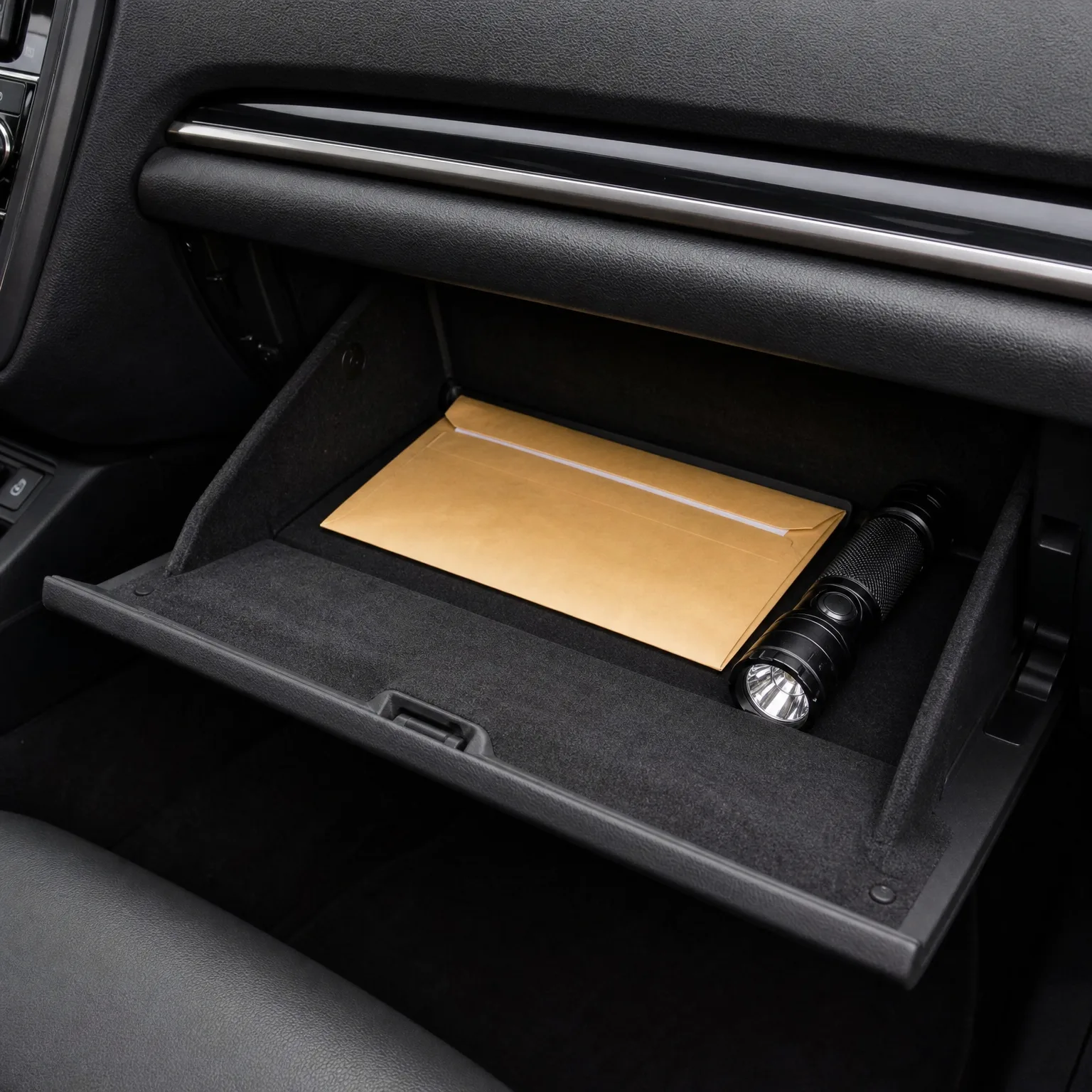
- Drop coverage on an old car Collision and comprehensive cost more to keep on a car that isn't worth much. Check your car's value first, because dropping this coverage on a newer or financed car can leave you badly exposed.
- Recheck your discounts Many discounts depend on things that change, like mileage, bundling, or how you pay. Ask your insurer directly which ones you qualify for now, since they rarely apply them automatically.
- Compare before you cancel Switching insurers can cost you loyalty discounts and continuous coverage history. Get a quote first so you know whether leaving actually saves money or just moves the problem.
A driver facing a bill they suddenly can't cover
Someone's hours get cut at work, and the car insurance bill that used to be manageable now feels impossible. They're tempted to just stop paying and deal with it later, figuring the policy will lapse quietly and they'll sort it out once things improve. Instead, they call their insurer the same week the bill is due, before the grace period runs out.
The insurer offers two things, a short payment extension and a chance to rework the policy for less. They raise their deductible to an amount they could still cover in an emergency, drop comprehensive coverage on a car that's older and mostly paid off, and ask about every discount they might qualify for. The new bill is lower, the coverage that matters most is still in place, and because they called before missing a payment, their record stays clean. A few months later, when their income recovers, they adjust the policy back without any gap in coverage behind them.

Once you know which coverage to keep and which to trim, compare quotes to see how much that decision actually saves you.

Calling your insurer before you miss a payment
If you do
Your insurer can often extend your due date, adjust your plan, or lower your premium on the spot. Your coverage stays active, your driving record stays clean, and you avoid a lapse that would make insurance more expensive later.
If you don't
Once a payment is missed, most insurers cancel the policy after a short grace period. You're left without coverage, and reinstating it, or finding a new policy, usually costs more than if you'd called first.
Will my rate go up later if I lower my coverage now?
Not because you lowered it. Rates are based on your driving record, your claims history, and factors specific to you, not on past coverage choices. If you raise coverage back later, you'll pay the current rate for that coverage, not a penalty for having reduced it. What can raise your rate is a lapse in coverage, so keeping something active, even reduced, protects your future rate more than canceling entirely.
Can I pause my car insurance instead of lowering it?
Only if you're not driving the car at all, and only if your insurer and your state allow it, which varies. Some insurers offer a non-use or storage status if the car is parked and off the road. If you're still driving, even occasionally, you need active coverage, since driving uninsured risks fines and leaves you fully exposed if something happens.
What happens to my coverage if I switch insurers to save money?
Your new policy starts fresh, so check it covers what you actually need before canceling the old one. Switching can lower your bill, but it can also reset loyalty discounts or require a new underwriting review. Get the new quote in writing, confirm the start date lines up with your old policy's end date, and make sure there's no gap in between.
The real risk isn't lowering your coverage, it's letting the policy lapse while you decide what to do.