Can You Have Two Black Boxes in One Car
Yes, you can have two black boxes installed, but only one likely counts toward your insurance, and the other can cause problems.

What to check before you leave a second box in place
- Confirm which one is active Call your insurer and ask which device they're actually reading data from. Having a second device that isn't theirs can confuse data and isn't worth the risk.
- Remove the old device If you switched insurers or cars, the previous black box may still be transmitting. Ask the old provider how to return or deactivate it so it stops sending data.
- Watch for signal conflicts Two active telematics devices can interfere with each other's readings, especially if they use similar wireless bands. This can produce scores that don't reflect your actual driving.
- Check your policy wording Some insurers state explicitly that unauthorized devices void the monitoring discount. Read your policy or ask directly rather than assuming it's fine.
- Ask about lease or loan boxes Some financed or leased vehicles come with a manufacturer or lender tracking device already installed. Tell your insurer about it so it isn't mistaken for tampering.
Will having two black boxes cancel my insurance discount?
It can, but not automatically. Most insurers only care about the device they issued and the data it sends them. A second box, like a leftover one from a previous insurer or a lender's tracking unit, usually doesn't matter unless it interferes with the active device's signal or looks like an attempt to manipulate your score.
The real risk is confusion, not punishment. If your insurer sees erratic or incomplete data because two devices are competing for signal, they may assume something is wrong with installation rather than suspect fraud. That can delay your discount or trigger a review.
The simplest fix is transparency. Tell your insurer about any other device in the car, ask which one they're reading, and remove or disable the one that isn't theirs. This takes the guesswork out of it and protects the discount you're already earning.
Once you know which device your insurer reads, compare quotes to make sure you're still getting the best rate.
Why insurers only trust one data source at a time
Telematics programs are built around a single feed of driving data tied to your policy. Insurers set up their systems to pull from one specific device, using its unique identifier, so the score they calculate matches the driver they're insuring. A second box, even a harmless one, isn't part of that system and won't be read unless it's the one they registered.
The complication comes from overlap. Many drivers end up with more than one device without meaning to. A previous insurer's box might still be plugged in, a new car might come with a manufacturer-installed tracker, or a lender might require its own monitoring unit as part of a loan agreement. None of these are inherently a problem, but if they're transmitting at the same time as your current insurer's device, the signals can clash or create inconsistent readings.
Insurers generally aren't looking to penalize you for this. Their primary concern is accuracy. If driving data looks inconsistent or incomplete, they can't confidently apply a discount, so they may default to a standard rate until the issue is resolved. This is a data quality problem for them, not a trust problem, which is why it's usually fixable with a phone call rather than a dispute.
Where this gets more serious is if a second device is added specifically to mask bad driving data or report false information. That crosses into fraud territory and insurers do watch for it, since telematics systems are designed to flag irregular patterns. But simply having an old or unrelated device still in the car, without intent to manipulate anything, is a very different situation and almost always resolves cleanly once you tell your insurer what's there.
The device itself doesn't decide your discount. Which one your insurer is actually reading does.
How do I remove an old black box from my car?
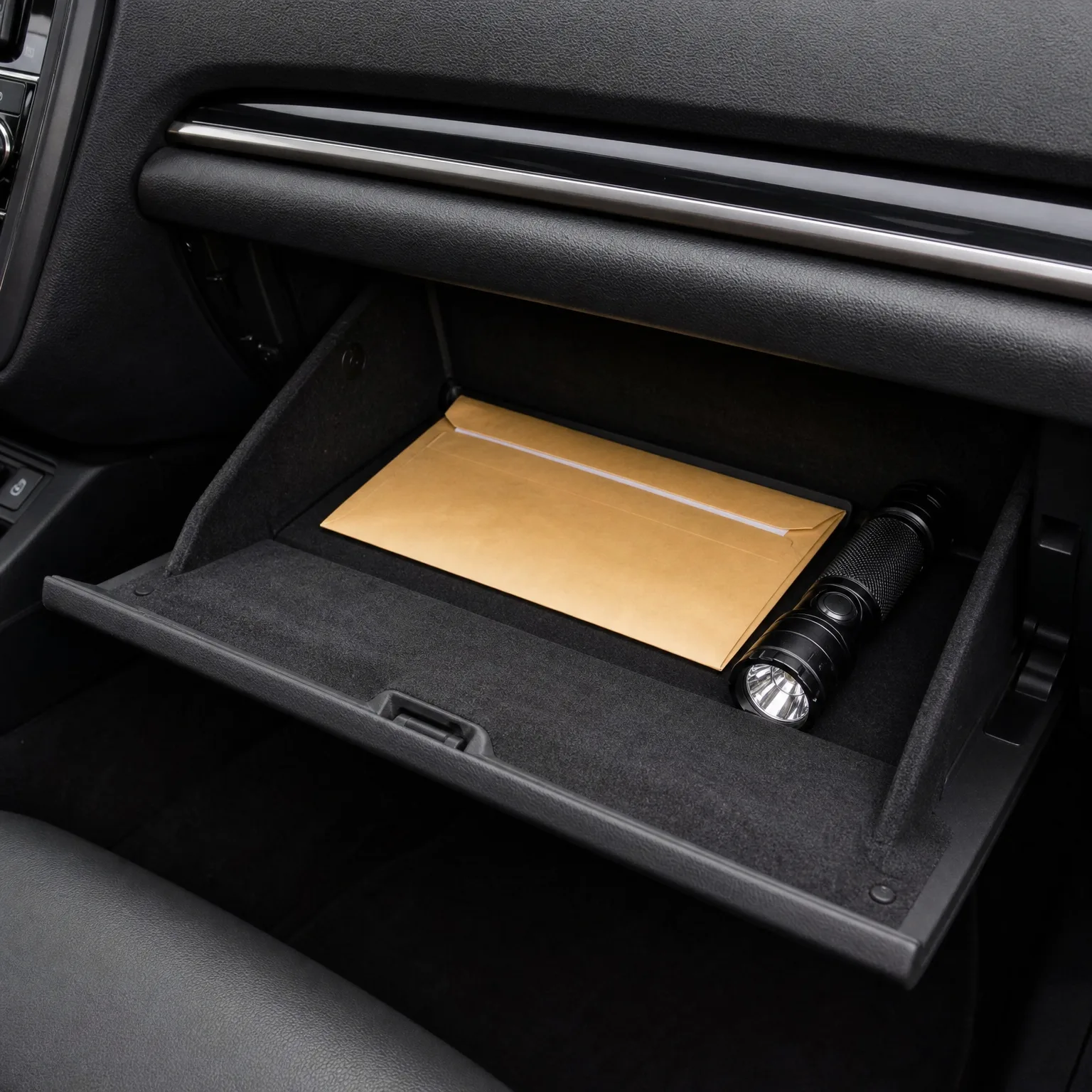
Contact the insurer or company that installed it and ask for return or deactivation instructions, since most devices are company property and need to be sent back or disabled remotely. Don't just unplug it and leave it in the glovebox, since some units keep transmitting on battery power. Ask specifically how to confirm it's fully deactivated so it won't interfere with any new device.
Does a leased car's tracking device affect my insurance score?
Usually not, because lender or lease tracking devices serve a different purpose, like recovery or mileage tracking, and aren't connected to your insurer's scoring system. Still, mention it when you sign up for a telematics program so your insurer knows it's there and doesn't mistake it for an unauthorized device. If your insurer asks you to remove it, check your lease terms first since removing it without permission could violate your agreement.
Can a black box be hacked or tampered with to improve my score?
Technically it's possible, but insurers build fraud detection into these systems specifically to catch irregular patterns like sudden unrealistic improvements in driving behavior. If caught, this can void your policy entirely and affect future coverage. It's not worth the risk since the potential savings are small compared to the consequences of a voided policy or fraud flag on your record.