Car Insurance on a Tight Budget
You can cut your car insurance bill without gutting your protection, if you cut the right things in the right order.
The cost reflects risk the insurer expects to pay, not you
An insurance premium is built from a guess about how much the insurer will likely pay out on you. That guess comes from your car, your coverage choices, your location, and your history. When you want a lower bill, you're really asking to change one of those inputs, and some are easier to change than others right now.
Deductibles and coverage limits are the fastest lever because they shift cost directly. Raising a deductible means you carry more of a small claim yourself, so the insurer charges less for that promise. Dropping a coverage you don't need, like collision on a car that isn't worth much, removes a payout the insurer was pricing in. Both lower your bill immediately, but both only make sense if you could actually cover that gap out of pocket.
Discounts and shopping around work differently. They don't change your risk, they change whether you're being charged fairly for it. Insurers price the same driver differently because their formulas and target customers differ, so two companies can look at your exact situation and land on different numbers. This is why comparing quotes matters even if nothing about you has changed.
Where this gets tricky is liability coverage, the part that pays for damage you cause to others. This is usually required at some minimum, and that minimum varies by state. Going below what you can realistically afford to owe someone is the one cut that can turn a bad day into a financial disaster, so it's the last place to look for savings, not the first.

Cut cost here before you touch your liability coverage
- Raise your deductible A higher deductible lowers your premium because you absorb more of a small claim yourself. Only raise it to an amount you could pay today if your car was damaged tomorrow.
- Drop collision on older cars If your car is worth little, collision coverage may cost more over time than it would ever pay out. Check your car's value and compare it to what you're paying for that coverage.
- Bundle or ask about discounts Insurers often have discounts for bundling policies, paying in full, or low mileage that aren't applied automatically. Ask directly what you qualify for, since some require you to request them.
- Recheck your mileage and usage Premiums are partly based on how much you drive, and your estimate may be outdated. If you drive less than you used to, update it so you're not paying for miles you don't put on.
- Compare quotes before renewing Your rate can change at renewal even if nothing about you did, because insurers adjust pricing over time. Get new quotes before you renew instead of letting it auto-renew.

The cheapest policy isn't the goal. The cheapest policy you can fully use if something goes wrong is.
Now that you know what to cut and what to protect, compare quotes to see what that decision actually costs.

Whether you raise your deductible to lower your bill
If you do
Your monthly payment drops right away, which eases the pressure on your budget now. If you do have an accident, you'll owe more upfront before coverage pays out, so you need that amount sitting somewhere accessible, not just hoped for.
If you don't
Your bill stays higher than it could be, which keeps squeezing a budget that's already tight. You avoid any risk of being caught short after an accident, but you're paying every month for a cushion you may be able to afford to self-insure instead.
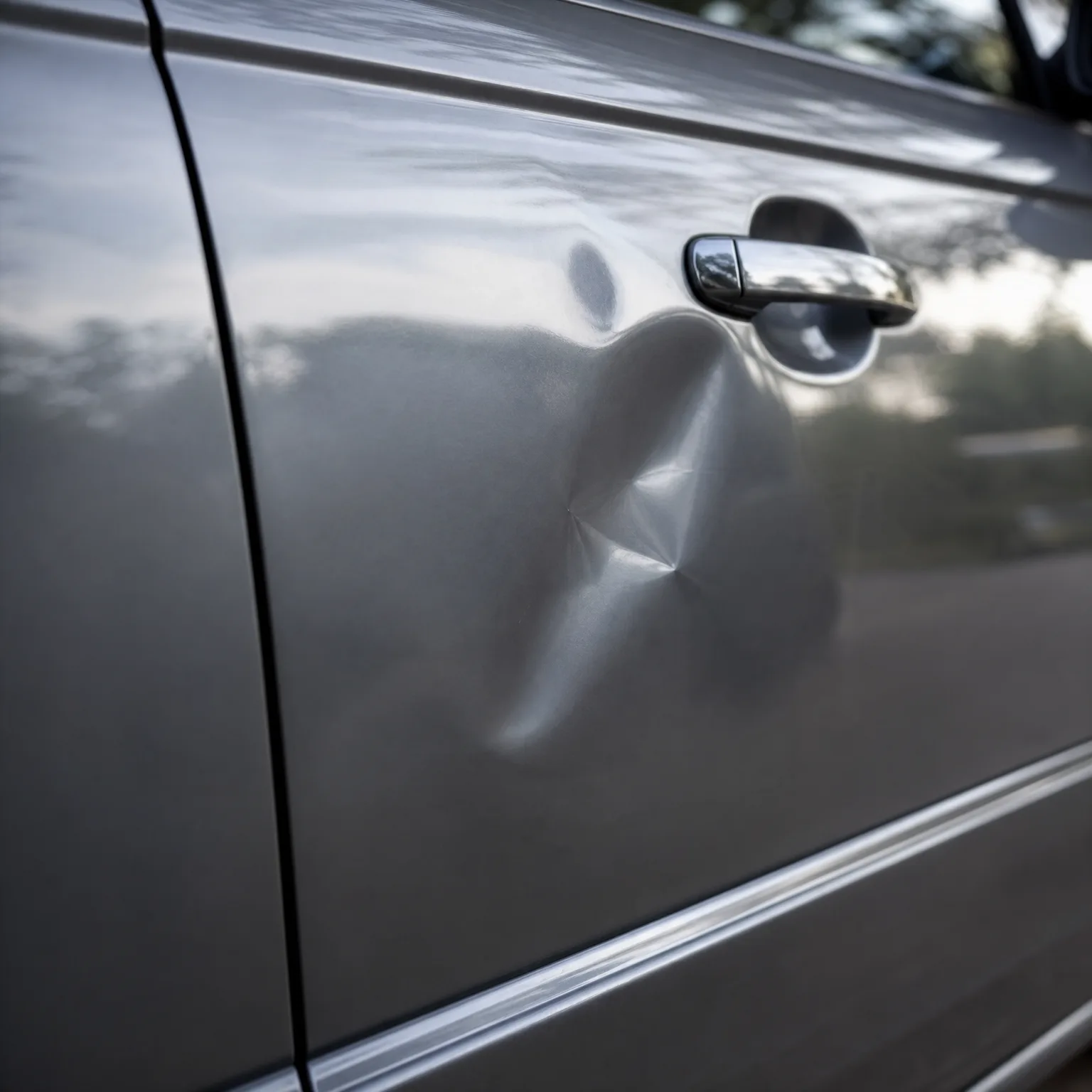
A driver with an eight year old car and a bill that no longer fits
A driver was paying for full coverage on a car worth little more than a used appliance. The payment had crept up over a few renewals, and it was now one of the hardest bills to cover each month. They weren't sure if dropping anything would leave them exposed, so they started by checking what their car was actually worth and what collision and comprehensive were costing them separately.
The math showed those two coverages cost more in a year than the car would likely be worth in a payout, so they dropped both and kept liability at a level they could still afford to owe someone. They also raised their deductible slightly, after confirming they had that amount set aside. Then they requested quotes from a few insurers instead of renewing automatically, since their rate hadn't been checked in years. The new policy cost noticeably less, covered what they could actually lose, and left their emergency fund untouched instead of hoping it wouldn't be needed.