Cutting Your Premium Without Losing Protection
You lower your premium by raising what you can afford to risk yourself, not by cutting the coverage that protects you from real loss.

Where the real savings are, without creating real risk
- Raise your deductible A higher deductible lowers your premium because you're taking on more of the small claims yourself. Only raise it to an amount you could actually hand over tomorrow without borrowing.
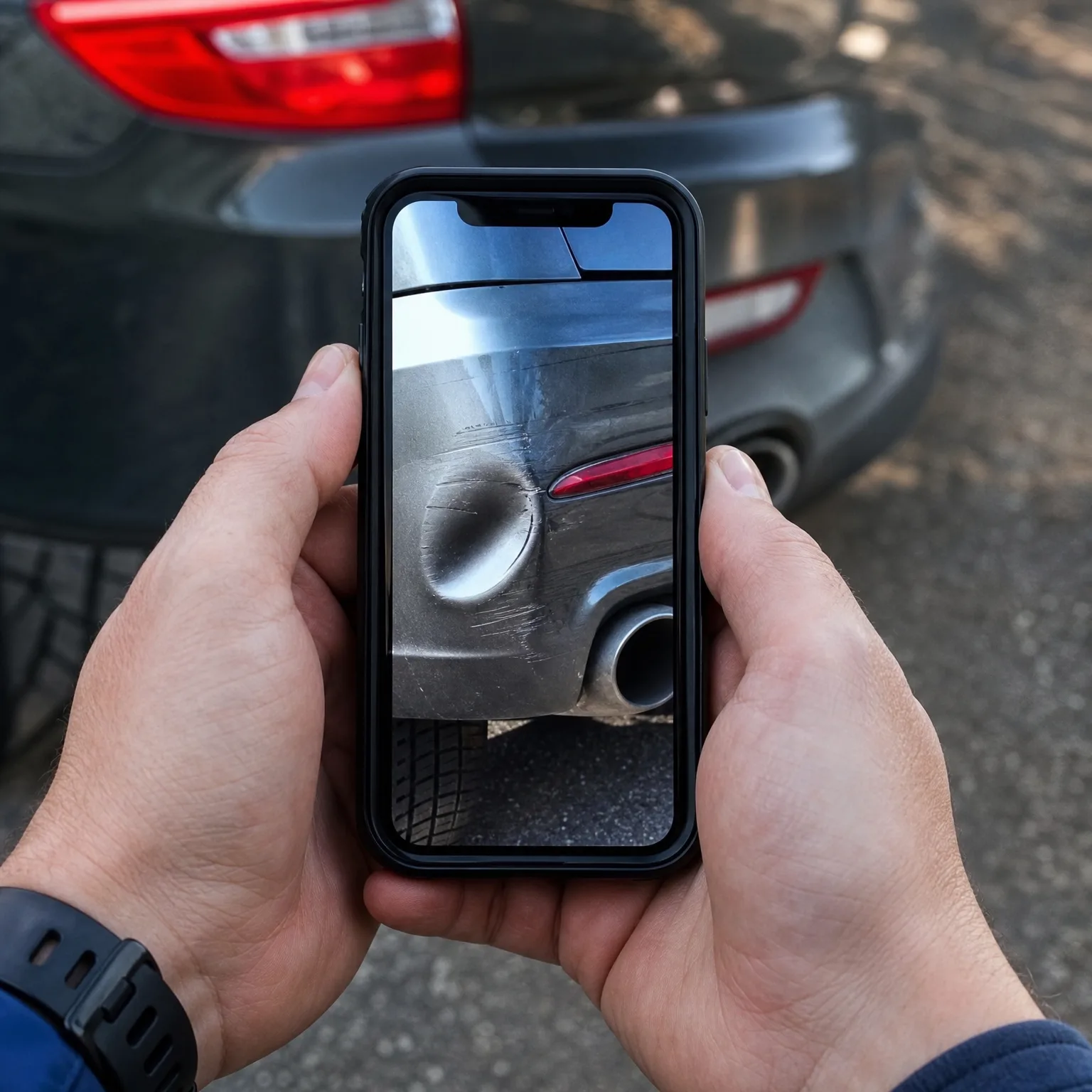
- Drop coverage on old cars If your car is worth little, collision and comprehensive may cost more than they'd ever pay out. Check your car's actual value before deciding, not what you paid for it years ago.
- Keep liability limits high This is the coverage that protects your savings and future wages if you cause real damage. It's usually cheap to raise and expensive to need and not have.
- Ask about every discount Bundling, low mileage, safety features, and paying in full all lower the bill without touching your protection. Call and ask directly what you qualify for, since not all discounts are advertised.
- Recheck coverage you duplicate Towing, rental car, and medical coverage sometimes overlap with what you already have through a warranty, membership, or health plan. Compare what you're paying twice for before you cut anything else.
What's the one cut that could actually hurt me if things go wrong?
Lowering your liability limits is the cut that can hurt you most. Liability doesn't pay for your car, it pays for the other person's car and medical bills when you're at fault, and if the damage costs more than your limit, you are personally on the hook for the rest. That can mean a lawsuit against your savings, your wages, even your home, depending on where you live.
This is different from raising your deductible, where the most you risk is a fixed amount you chose. With liability, a bad accident has no ceiling, so the limit is the one number where going cheap doesn't just mean a bigger bill later, it means a kind of exposure you can't undo. If you're cutting costs, protect this number and look elsewhere first. Check your state's minimum, because it's often far lower than what actually covers a serious accident.

Now that you know what to raise, keep, and drop, compare quotes to see which insurer prices that exact mix the lowest.

A driver with an older paid-off car and a tight monthly budget
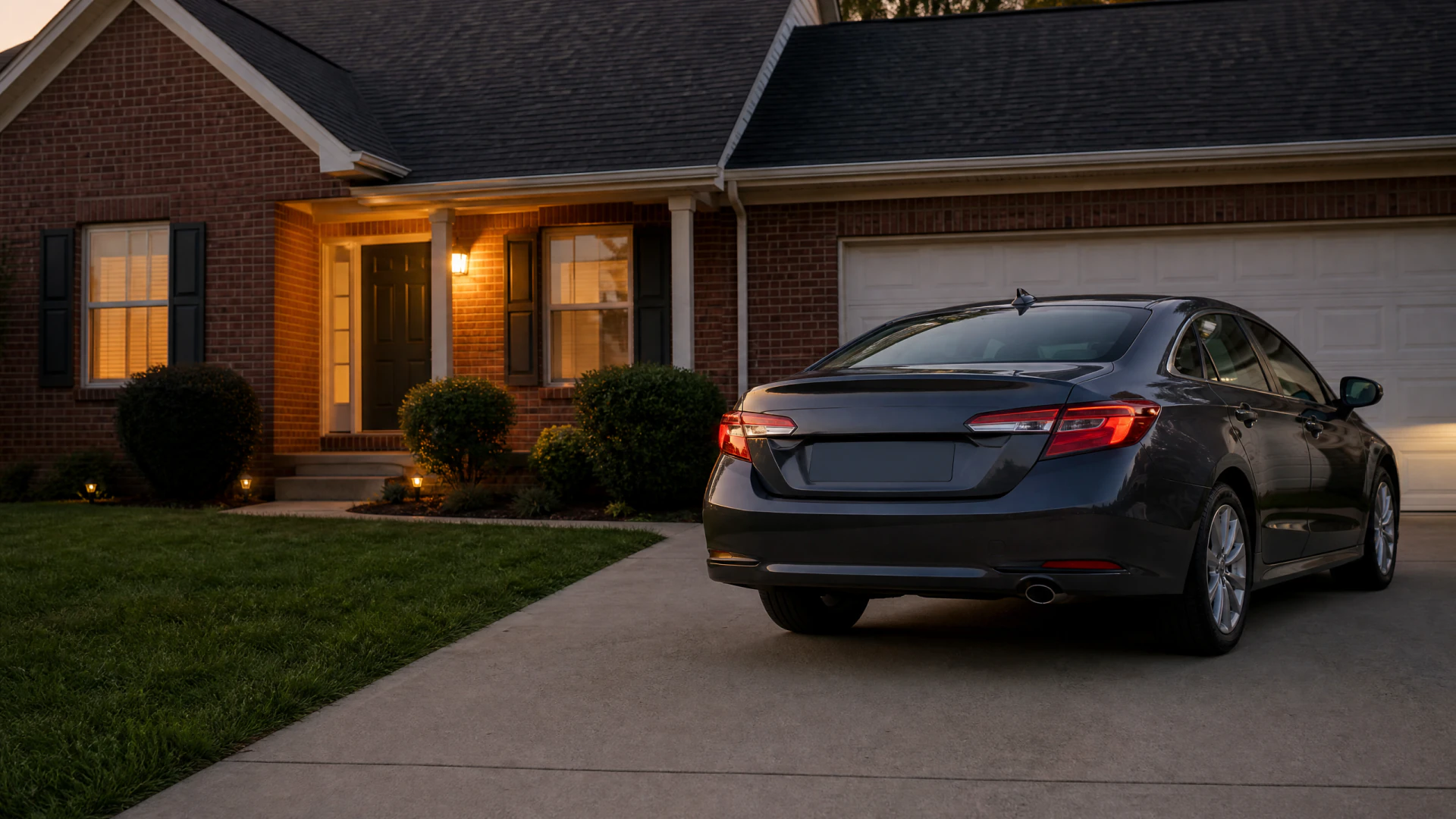
Say you're driving a car that's eight years old, paid off, and worth a modest amount if sold today. You're paying full collision and comprehensive coverage on it, plus a low deductible, because that's what you signed up for years ago when the car was newer and the budget felt different. The bill keeps climbing and you've already cancelled the extras you could think of, roadside assistance, rental reimbursement, the small stuff.
You look up what the car is actually worth now and compare it to what you'd pay in a year of premiums for collision and comprehensive combined. The numbers are close enough that keeping full coverage barely makes sense anymore. You drop collision and comprehensive, keep liability high since that's the coverage that protects you from a lawsuit, and raise your deductible on what's left to the highest amount you could actually pay out of pocket. The bill drops enough to matter, and what you're left paying for is the coverage that would actually hurt to lose, not coverage on a car worth less than a year of premiums.

The coverage worth protecting is what pays for someone else's damage, not what pays for your own car.
Will dropping collision coverage actually save me much money?
Yes, usually more than dropping smaller add-ons, because collision and comprehensive are priced against your car's value and repair costs, not flat fees. The older and less valuable your car, the more these coverages cost relative to what they'd ever pay out. Check your car's current market value first, and ask your insurer directly what removing each coverage saves, since the amount varies by vehicle and insurer.
Is it risky to pay for car insurance monthly instead of all at once?
It's not risky to your coverage itself, but monthly plans sometimes carry fees or require good standing that a single missed payment can disrupt. Ask your insurer exactly what happens if a payment is late, including any grace period and whether coverage lapses immediately or after a delay. This varies by insurer and sometimes by state, so get the specific policy in writing before relying on it.
How do I know if a cheap quote is hiding a coverage gap?
Compare the actual coverage limits and deductibles line by line, not just the total price, because a lower quote often means lower limits or a higher deductible than you'd choose otherwise. Ask what's included for liability, uninsured motorist, and any state-required coverage, since these are easy to understate in an initial quote. If a quote seems unusually low, ask specifically what's different from your current policy.