Dropping Coverage You Do Not Need
Drop coverage that only protects a car worth little, and keep everything that protects you from a lawsuit.

An older paid-off car with full coverage
You've been paying for collision and comprehensive on a car you bought years ago and already paid off. It still runs fine and gets you to work, but it isn't worth much anymore. You start wondering if you're paying more in premium each year than the car itself could fetch if it were totaled tomorrow.
You check what the car is actually worth right now, not what you paid for it. You compare that number against what collision and comprehensive have been costing you over a year. The gap is close enough that carrying the coverage barely makes sense anymore. You drop collision and comprehensive, keep liability and the coverages that protect you from being sued or from an uninsured driver, and redirect what you were paying toward the parts of the policy that actually protect your finances if something serious happens.
What's the one coverage I should never drop to save money?
Liability coverage. It pays for the other person's damage and medical bills when you're at fault, and it's the piece standing between you and a lawsuit that could take your wages or savings. Everything else on your policy protects your own car or your own medical bills, which are limited by what you own. Liability protects against what you could owe someone else, which has no natural ceiling.
If you're cutting costs, look first at collision, comprehensive, or add-ons tied to your car's value. Raise the deductible before you touch liability. The number of states that set a required minimum for liability is one reason to check your own state's rule before changing anything, since dropping below it isn't a choice you're allowed to make.
The real question isn't what's cheapest to drop, it's what still matches your car and your risk today.
Once you know which coverages to keep and which to drop, compare quotes built around that exact combination.

Whether you drop coverage on an older, low-value car
If you do
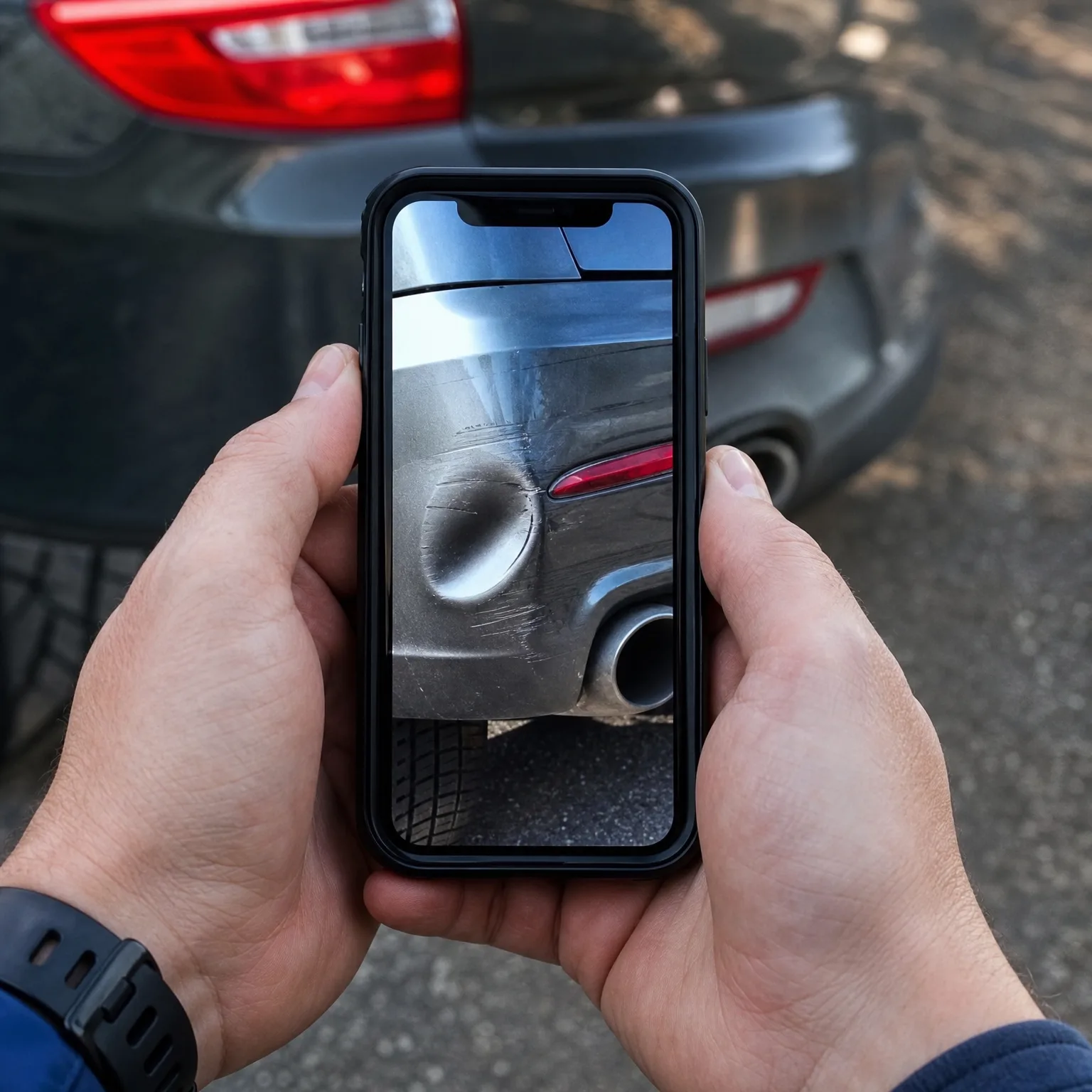
You stop paying for collision and comprehensive on a car that isn't worth much. Your bill drops right away. If the car is totaled or stolen, you get nothing back, so you're relying on savings or another vehicle. For a car you could replace without strain, this trade usually works in your favor.
If you don't
You keep paying collision and comprehensive premiums that may cost more over a year than the car would pay out if it were totaled. You're covered for repair or replacement up to the car's value, minus your deductible. This makes sense if losing the car suddenly would be a real financial problem for you.
Coverage should match what you have to lose, not just what's offered
Every piece of a car insurance policy exists to transfer a specific risk off your shoulders and onto the insurer. Liability covers what you could owe someone else. Collision and comprehensive cover your own car. Add-ons cover smaller, specific losses like a rental car or roadside help. The logic for dropping any piece comes down to one question, which is whether the potential loss would actually hurt you, and whether the premium you're paying to avoid that loss is worth more or less than the loss itself over time.
This is why a car's value matters so much. Collision and comprehensive pay out based on what the car is worth, not what you paid for it or what it would cost to replace it with something similar. Once a car's value drops low enough, the most the insurer would ever pay you gets close to what you're spending in premium to keep that promise active. At that point the coverage is working against you instead of for you.
Liability works differently because the potential cost isn't capped by anything you own. A serious accident can produce medical bills and legal costs that go far beyond the value of any car. That's why liability is treated differently everywhere, and why it's rarely the coverage anyone should cut to save money. Some states also require you to carry it at a certain level, so check your own state's rule before changing anything there.
The cases where this reasoning flips are worth knowing. If you lease or finance your car, your lender likely requires collision and comprehensive regardless of the car's value, so you don't have a choice to drop it yet. And if losing your car suddenly would be a financial emergency for you, even an older car might be worth insuring fully, because the premium is buying you certainty, not just statistical value.
How do I find out what my car is actually worth before deciding what to drop?
Look up your car's current private-party or trade-in value using its year, make, model, mileage, and condition, not what you paid originally. Several free valuation tools exist for this. Compare that number honestly against a full year of what you're paying for collision and comprehensive combined. If the premium is close to or more than the payout you'd get, dropping that coverage usually makes sense. If your car's value is still substantial, keep the coverage.
Will dropping collision and comprehensive affect financing or leasing a car later?
Not on a future purchase, but it matters right now if your current car is financed or leased. Lenders and leasing companies almost always require you to carry collision and comprehensive for as long as you owe money on the car, so you can't legally drop it until the loan or lease is paid off. Check your loan or lease agreement directly, since the requirement is set by that contract, not by your state.
What happens to my premium if I raise my deductible instead of dropping coverage?
Raising your deductible lowers your premium while keeping the coverage itself in place, so you're still protected against a total loss or major repair, just with more of the small stuff falling to you. This is often a better middle step than dropping collision or comprehensive outright, especially if your car still has meaningful value. Make sure whatever deductible you choose is an amount you could actually pay out of pocket if you needed to use it.