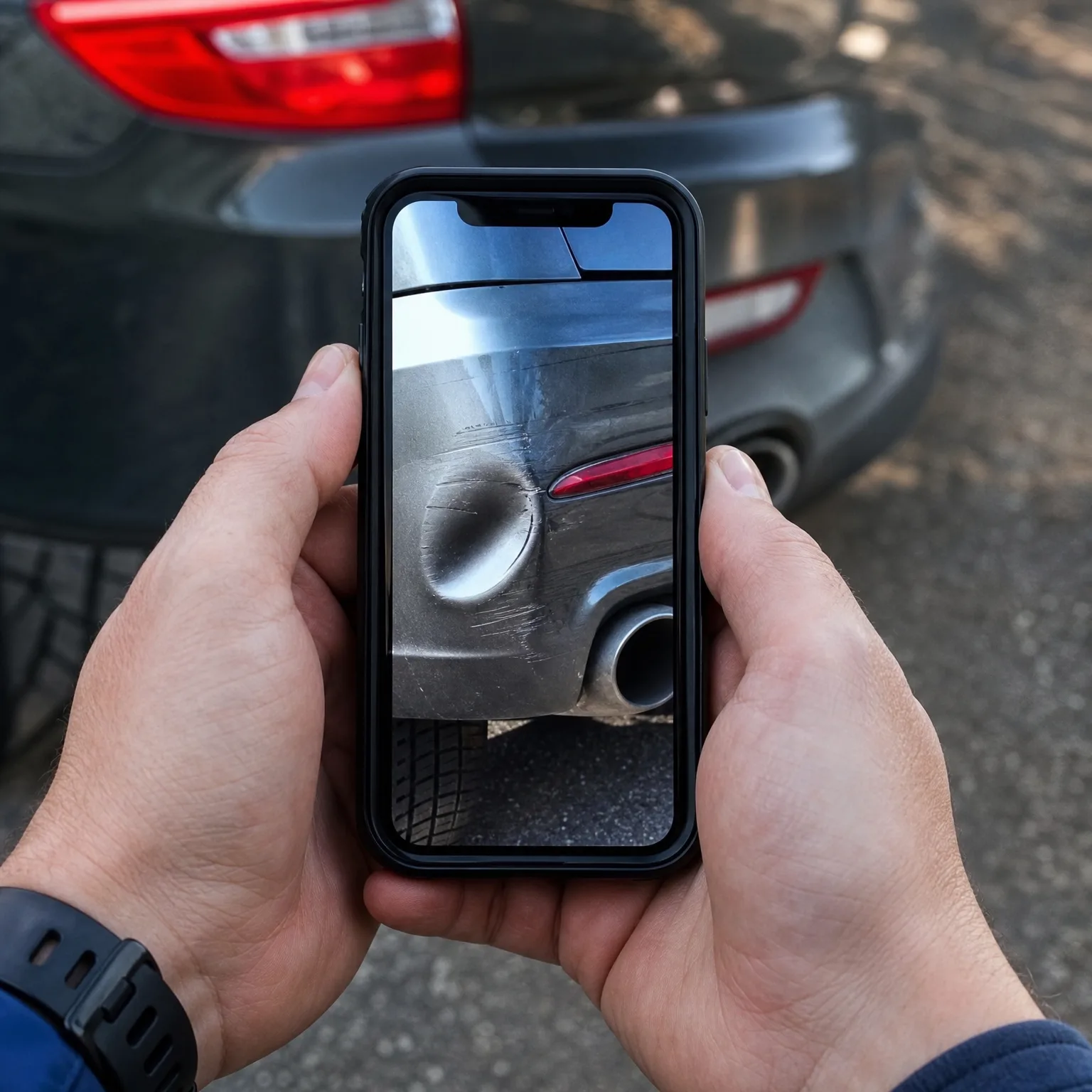
How to Get Rid of Car Insurance Surcharges
Most surcharges fall off on their own after enough time passes, and sometimes you can speed that up.
Surcharges fade with time because insurers are pricing recent risk
A surcharge is the insurer's way of saying your recent history looks riskier than it did before. That's based on a lookback window, a set stretch of time where they weigh what happened against you more heavily. Once that incident ages past the window, it stops counting the same way and the surcharge drops away, usually without you asking for it.
The length of that window depends on what caused the surcharge and on the insurer's own rules, and it can also depend on where you live. A minor violation typically ages out faster than a serious one, and an at-fault accident often sits on your record longer than either. This is one of the places where you genuinely need to check your own policy or ask your agent directly, because there's no single answer that applies to everyone.
Some things can shorten the wait. Finishing a defensive driving course can get an insurer to reduce or remove a surcharge early, though not every insurer offers this and not every state allows it to count the same way. A clean stretch of driving afterward also matters, because insurers are watching for a pattern, not just a single event.
What won't work is trying to hide the incident or switching insurers hoping the new one won't find out. Insurers pull your driving and claims history during underwriting, so a fresh company usually sees the same record the old one did. The honest path, waiting it out or qualifying for a course discount, is also the one that actually holds up.

A driver waits out a surcharge instead of chasing a workaround
Say you got a speeding ticket and your premium jumped at renewal. You called your agent hoping there was a quick fix, and the agent pulled up the policy and showed you the lookback window that applied to that type of violation in your state. It wasn't close to over yet, so there was no immediate removal coming.
Instead of shopping around hoping another insurer would ignore the ticket, you asked about a defensive driving course, since your insurer allowed one certified course to shave a bit off the surcharge early. You finished it within a few weeks and sent the certificate in. The surcharge didn't vanish, but it dropped, and you kept your driving clean until the ticket aged out completely at the next review. By then the premium was back to where it started, without ever needing to switch companies.
Will switching insurers make my surcharge disappear?
No, and this is the mistake that costs people the most money. A new insurer pulls the same driving and claims history the old one has access to, so the incident that caused your surcharge will usually follow you.
What can happen is that a different insurer weighs that incident less heavily, so your overall premium ends up lower even with the surcharge counted in. That's worth comparing. But if you're switching specifically hoping the surcharge gets hidden or forgotten, that's not how it works, and finding that out after you've already switched can cost you more than it saves.
Now that you know what shortens a surcharge, compare quotes to find the insurer pricing your record most fairly.

Taking a defensive driving course or not
If you do
You pay for a short course, usually a few hours online or in person, and send the certificate to your insurer. Many insurers knock down part of the surcharge once they confirm it, and some states require them to honor it. It costs you time and a small fee upfront.
If you don't
You wait out the full lookback window with no discount in between, paying the surcharge at full strength the whole time. If another violation happens before the surcharge clears, the two can stack, and you lose the chance to shorten either one.
What actually removes a surcharge faster
- Check the lookback window Ask your agent exactly how long this type of incident counts against you in your state. This tells you whether you're near the end or just starting the wait.
- Take an approved course A certified defensive driving course can reduce a surcharge early if your insurer and state allow it. Confirm eligibility before paying for one.
- Keep a clean record after Insurers watch for a pattern, not just one event, so avoiding new violations protects the clock already running. One more incident can reset or extend the window.
- Don't switch to hide it A new insurer sees the same driving history during underwriting. Switching only helps if the new pricing is genuinely lower, not because the surcharge disappears.
- Compare once it clears When the surcharge finally ages off, your renewal price should reflect that automatically. If it doesn't, call and ask why, since this is a common billing error.
How long does a surcharge stay on my car insurance policy?
It depends on what caused it and on your insurer's rules, with some states also setting limits on how long certain violations can be used. A minor ticket often clears sooner than an at-fault accident. The only reliable way to know your specific timeline is to ask your agent or read your policy's rating rules, since this isn't something that's consistent across companies or states.
Can I get a surcharge removed early by appealing to my insurer?
Sometimes, but it's rare and depends entirely on the insurer's policies. A few will reconsider if you can show the incident was reported in error or if you completed a qualifying course. Outside of those situations, most insurers treat the lookback window as fixed and won't shorten it just because you ask, so it's worth confirming what grounds for appeal actually exist before spending time on it.
Does a surcharge affect my credit or follow me to a new address?
No, a surcharge is tied to your driving or claims record, not your credit, and it stays with that record regardless of where you live. Moving to a new state can change how the surcharge is calculated, since states have different rules, but it won't erase the underlying incident. Check with your agent when you move to see if the new state's rules change your timeline.