Keeping Coverage When Money Is Tight
Call your insurer before you miss a payment, since adjusting the policy almost always beats losing it entirely.
The policy is easier to save than to replace once it lapses
Insurers set prices around risk they can calculate, and a policy you've kept paid on time looks predictable to them. The moment it lapses, you disappear from that picture and come back as an unknown, which almost always costs more than the gap you were trying to avoid. That's the main reason keeping something in force, even a thinner version, tends to beat starting over later.
The part that varies is how much warning you get and how much flexibility exists before a lapse becomes final. Some states and insurers allow a short window to fix a missed payment, others cancel faster, and the grace period your policy actually has is written in the contract, not guessed from what you've heard elsewhere. That's worth reading now, before you need it.
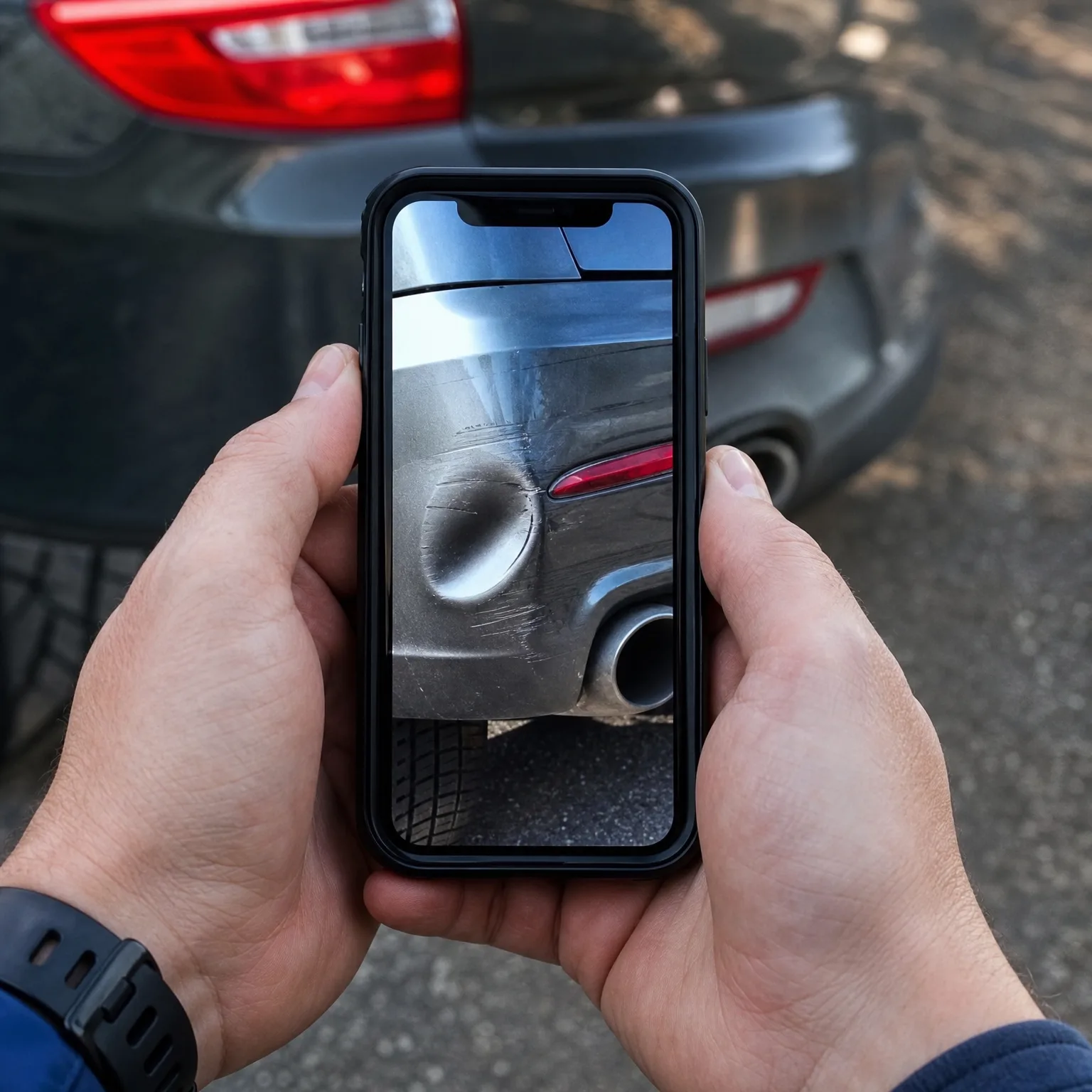
Adjusting coverage works differently than skipping payment. Raising your deductible or dropping coverage that only protects the car itself, rather than other people or property, usually lowers the bill without touching the protection that keeps a crash from becoming a lawsuit. Where this gets risky is when someone drops liability limits too, which is the part a bad accident can't be undone by any amount of regret afterward.
There are cases where none of this is the right move. If the car is old enough that repairing it after an accident would cost more than it's worth, paying for coverage that protects the car itself may not make sense regardless of budget. That's a separate decision from the one about keeping the policy itself alive, and worth making on its own terms.
A driver who called before the due date instead of after it
A reader was short on the payment two days before it was due and assumed the choice was pay in full or let the policy lapse. Instead they called the insurer directly and asked what options existed. The agent walked through raising the deductible on the portion that covers damage to their own car, which lowered the monthly amount enough to cover the gap, and confirmed the liability protection, the part that covers other people, stayed exactly where it was.
The change took effect that billing cycle with no lapse and no new application, since adjusting an existing policy doesn't reset how the insurer sees the driver's history. A few months later, once money was less tight, they called again and lowered the deductible back down. Nothing about their coverage for other people ever changed, and the only real cost was a higher amount they'd owe out of pocket if their own car were damaged, a risk they'd decided they could carry for a while.

With that decision made, compare quotes to see what keeping this coverage actually costs elsewhere.

Call before the due date, or let the payment slide
If you do
You tell the insurer you're short before the deadline, and they can usually adjust the deductible or drop coverage that only protects your own car. The policy stays active without a gap, your driving history stays clean, and you can undo the changes later when money loosens up.
If you don't
The policy lapses, and reinstating it often means a new application priced as if your history started over. Some states give a short grace period, but once it closes, you may go without coverage entirely, which means driving uninsured and owing nothing but risk until you can pay for a new policy in full.
What's the minimum coverage I can carry without being exposed in a bad accident?
There's no single floor that's safe for everyone, because it depends on what you own and could lose in a lawsuit, not just what the state requires. The state minimum is a legal floor, not a financial one, and in a serious accident it can fall far short of what the other driver's damages or injuries actually cost.
The coverage that protects other people and their property is the one to protect first, since that's the part a lawsuit can chase for years afterward. Coverage for your own car is the part that's safer to scale down, especially if the car's value is already low. Check your state's specific minimum and your insurer's options for raising liability limits affordably, since this is one of the places where a short conversation can change the whole calculation.
A thinner policy that stays active protects you more than a full one you let lapse.