Minimum Coverage vs Full Coverage
Minimum coverage pays for damage you cause to others; full coverage also pays to repair or replace your own car.
The split comes down to whose damage gets paid for
Every state requires some version of liability coverage, which pays for the other driver's car and medical bills when the accident is your fault. It does not pay a cent toward your own car. That's the whole gap between minimum and full coverage, and it's why the choice feels so high stakes. If your car gets totaled and you only carry the minimum, you cover the repair or replacement yourself, in full, right when you can least afford it.
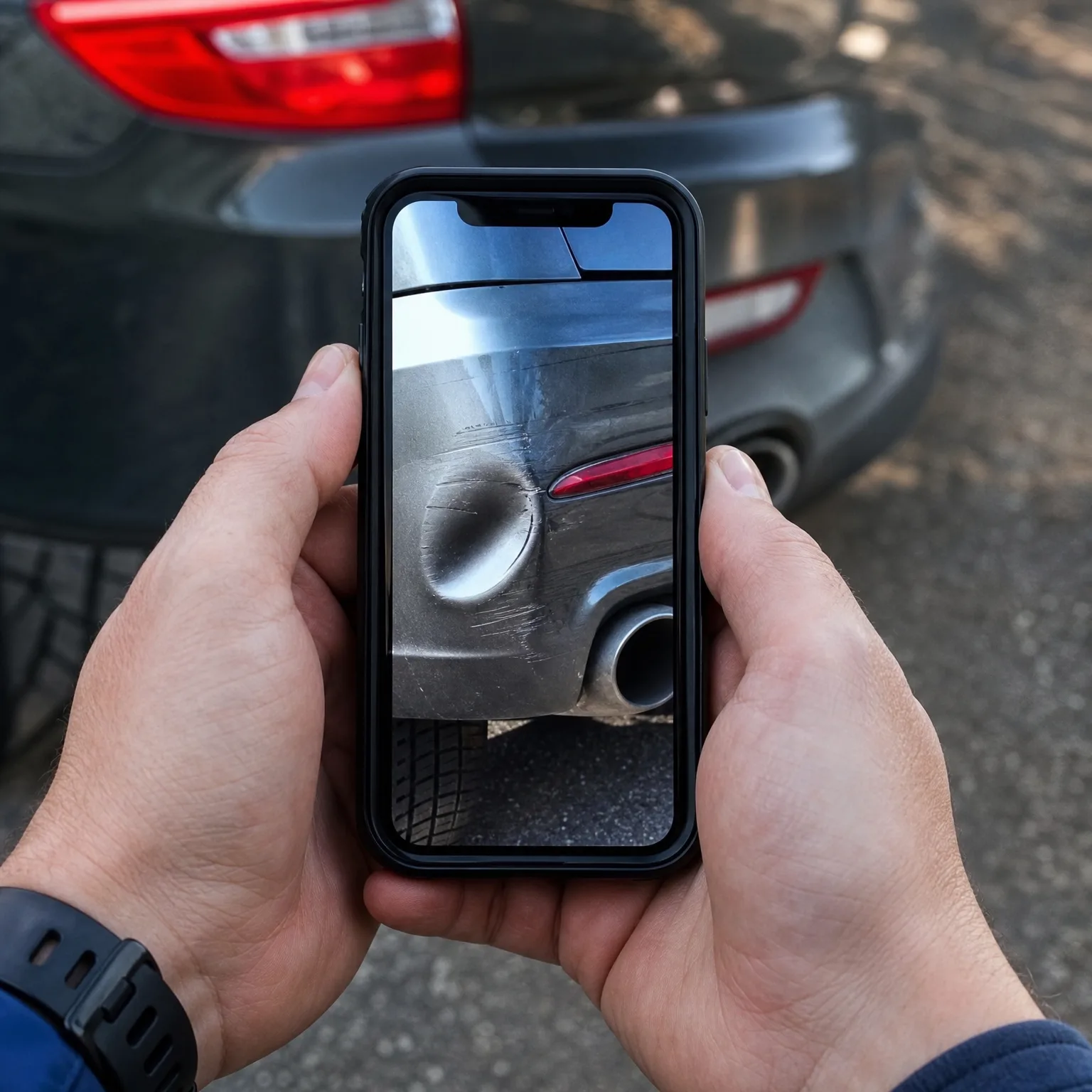
Full coverage adds two pieces, collision and comprehensive, which pay for your own car after an accident, theft, or weather damage. Insurers price these two pieces based on what your car is worth. A car worth very little costs about the same to insure whether it's worth saving or not, so the payout if something happens to it is small too. That's the math that should drive your decision, not a general sense of wanting to be safe.
If you're financing or leasing the car, the lender almost always requires full coverage as a condition of the loan, so the choice may already be made for you. Check your loan agreement before you assume you have a choice at all.
What counts as liability, collision, and comprehensive, and what's required versus optional, varies by state. Check your state's minimum requirements and your insurer's policy language before you drop anything, so you know exactly what you're keeping and what you're giving up.

A paid-off car with a transmission problem waiting to happen
Say you drive a car that's a decade old, paid off, and worth less than a few months of rent. You've been paying for full coverage out of habit since you bought it. You pull up what your car is actually worth right now and compare it to what you'd get back if it were totaled, after the deductible comes out. The gap is thin enough that the payout barely covers a tow and a rental for a week.
You drop collision and comprehensive and keep liability at or above your state's requirement, because that part protects you from a lawsuit, not just a repair bill. The payment drops right away. You take what you're saving and set it aside specifically for repairs, so if the transmission does go, you're not caught flat. A few months later, a check engine light turns into a real repair bill, and because you planned for it, it doesn't become a crisis the way a totaled car with no payout would have been.

Now that you know which coverage actually fits your car, compare quotes to see what each one costs.

Whether you drop collision and comprehensive on an older car
If you do
Your payment drops, sometimes by a real amount. If the car is stolen, totaled, or badly damaged, you pay for repair or replacement yourself. Liability still protects you if you hurt someone else. This only makes sense once you've checked what your car is actually worth today, not what you paid.
If you don't
You keep paying for coverage sized to a car's value from years ago. If something happens to the car, you get paid out, minus your deductible, which can be real relief if replacing it yourself isn't possible. You're protected against a worse outcome, at a cost charged every month whether you use it or not.
How do I find out what my car is actually worth right now?
Check a current used car valuation tool using your car's exact year, make, model, mileage, and condition, not what you paid for it or what you assume it's worth. Dealership trade-in estimates tend to run low, and private sale listings tend to run high, so look at a few sources and find the middle. This number is what you compare against your full coverage cost and deductible to see if dropping it makes sense. Redo this check every year or two, since value keeps dropping.
What deductible should I pick if I keep full coverage?
Pick the highest deductible you could actually pay in cash today without borrowing, since that's what you're agreeing to cover before insurance pays anything. A higher deductible lowers your payment, but only helps if you genuinely have that amount set aside when a claim happens. If you don't have savings to cover a higher deductible, a lower one is the safer, more honest choice, even though it costs more every month. Check your insurer's specific deductible tiers, since the jump between them varies.
Can I switch between minimum and full coverage whenever I want?
Yes, in most cases you can change your coverage anytime, not just at renewal, by contacting your insurer directly. If you're financing the car, your lender's requirements limit how low you can go regardless of when you ask. Check whether your insurer charges any fee for a mid-term change, since some do. This flexibility means you're not locked into today's decision if your car's value or your finances shift later.

Stop insuring the car you bought. Insure the car you actually own today, at what it's actually worth.