What Happens If You Cannot Pay Your Premium
You get a short grace period, then the policy cancels and you lose coverage the moment you drive without knowing it.
Insurers give you a grace window, then they let the policy go
An insurer doesn't cancel the moment a payment is late. There's a grace period built into the policy, often a matter of days, and during that window you're usually still covered. The length of that window and whether it applies the same way to a first missed payment versus a second depends on your state and your insurer, so check your policy documents or call and ask directly rather than assume.
Once the grace period ends without payment, the insurer sends a cancellation notice and the policy lapses. At that point you have no coverage at all, even if you don't realize it yet. If you're in an accident during a lapse, you're paying out of pocket for everything, and if the state requires proof of insurance, you may also face separate penalties for driving uninsured.
A lapse also follows you. Insurers see gaps in coverage history when you shop for a new policy, and a lapse often raises what you're quoted next, sometimes by a lot, because it signals risk to them regardless of why it happened. This matters even if the lapse was short or accidental.
The exception is when you act before the grace period runs out. Most insurers will work with you if you call early, whether that means a short extension, a revised due date, or switching to a different payment schedule. The system is built to assume people miss payments sometimes. It is not built to be forgiving once the policy has already lapsed.
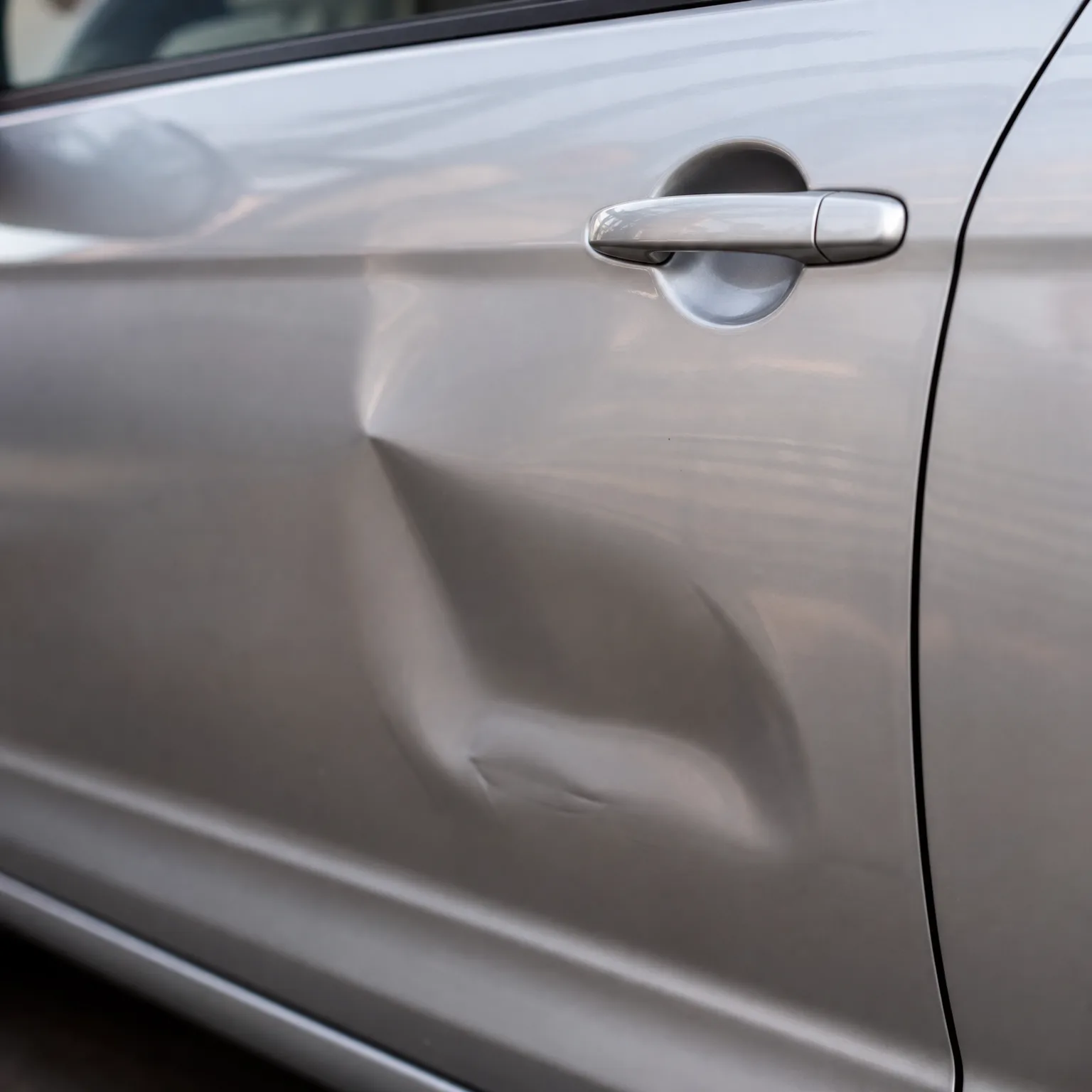
A missed payment during a tight month
Say your payment is due on the first and money is short because a car repair or a medical bill landed the same week. You let it slide, thinking you'll catch up before anything bad happens. A week later you get a letter saying the policy will cancel in a few days unless you pay. You call the insurer, explain the situation, and ask what your options are.
The agent tells you that you're still inside the grace period, so coverage is active right now, and if you pay today the policy continues without a gap. You pay what you can that day and ask about spreading the rest across the next bill. The insurer agrees to a short extension instead of letting it lapse. Because you called before the deadline rather than after, there's no cancellation on your record and your next renewal quote isn't affected. The difference between this outcome and a lapse came down to calling during the grace period instead of waiting past it.
A missed payment only becomes a real problem if you let it sit past the grace period without calling.
Once you know how your grace period works, compare quotes to find coverage that fits your monthly budget.

Call before the grace period ends, or let it lapse
If you do
You call the insurer, explain the situation, and ask about extensions or a revised due date. Coverage stays active while you work it out. No lapse shows up on your history, so your next renewal quote isn't affected. The fix is usually simple if you reach out early.
If you don't
The grace period runs out and the insurer cancels the policy. You're uninsured starting that day, even if you don't realize it. An accident now comes entirely out of your pocket, and the lapse will likely raise what new insurers quote you later, on top of any penalty for driving without coverage.
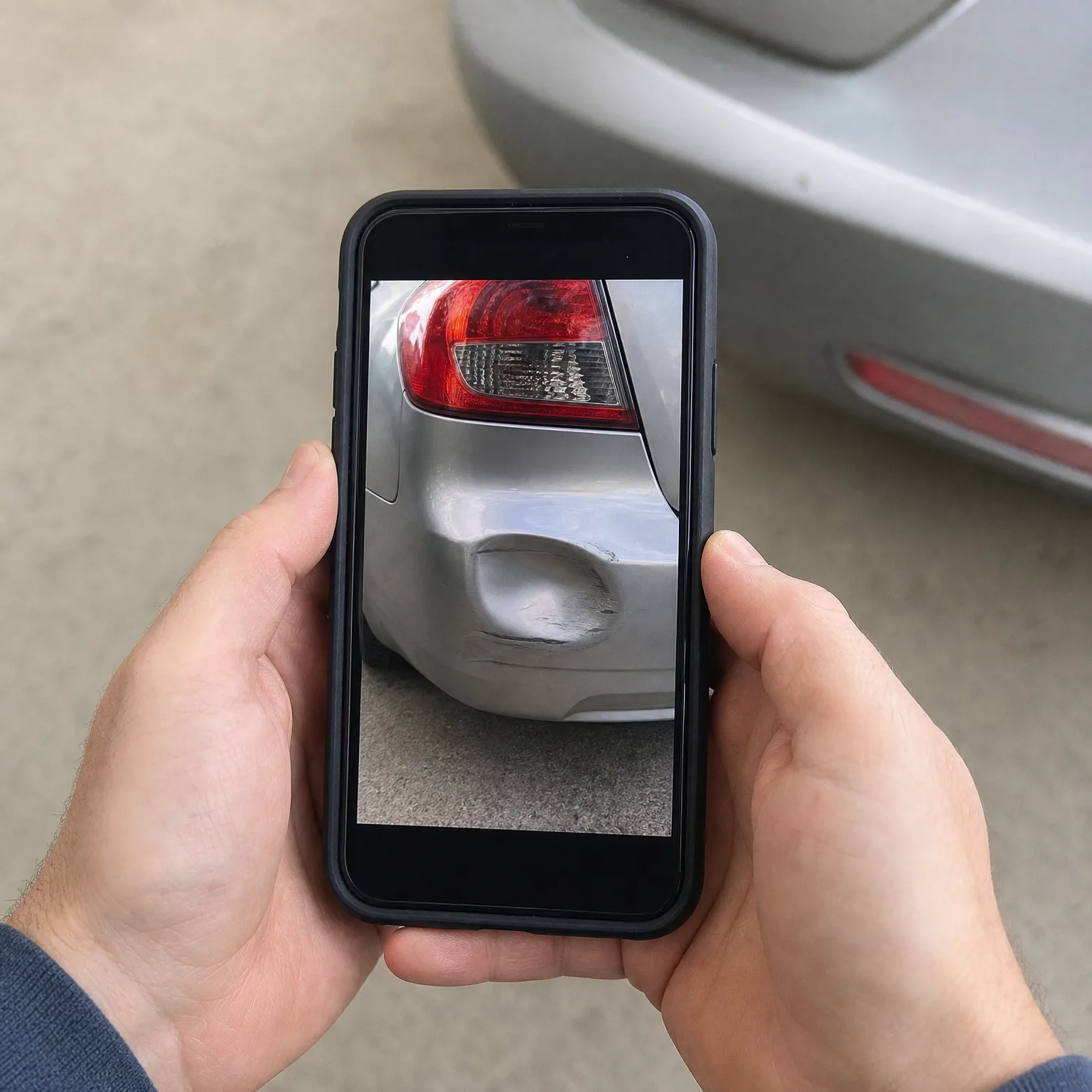
What to do the moment you know you'll miss a payment
- Call before the due date Insurers have far more flexibility before a payment is late than after. A quick call can get you an extension or a new due date without any lapse.
- Ask about a payment plan Many insurers can split a missed payment across future bills instead of demanding it all at once. This keeps the policy active while you catch up.
- Check your grace period rules Grace periods aren't the same everywhere. Look at your policy documents or ask your insurer directly how many days you actually have.
- Get any lapse in writing If a lapse does happen, ask the insurer to document the exact dates. You'll need this to explain the gap to future insurers accurately.
- Shop before you're forced to If payments are consistently tight, compare other policies before a missed payment forces the decision. You'll have more options with coverage still active.
Will a lapse in coverage always raise my rates later?
Usually, yes, but not by the same amount for everyone. Insurers use a lapse as a signal of risk, since people with continuous coverage statistically file fewer claims. A short lapse explained by a documented hardship sometimes matters less than a longer one with no explanation, but there's no universal rule, since each insurer weighs it differently.
What you can control is how you present it. If you have a letter from your previous insurer showing the dates and reason for the lapse, some companies will take that into account when quoting you. Shopping around after a lapse instead of accepting your current insurer's renewal quote is worth doing, since the increase isn't always consistent across insurers. The best way to avoid this question entirely is calling before the grace period runs out, so the lapse never happens in the first place.