Who Typically Offers the Cheapest Car Insurance
There's no single cheapest company for everyone, since the cheapest insurer depends on how each one prices your specific situation.
Every insurer scores you differently, so the cheapest one isn't fixed
Insurers don't all weigh the same factors the same way. One company might price your commute distance lightly but penalize your vehicle type heavily, while another does the opposite. That's why the same driver can get wildly different quotes from different companies, and why the insurer that's cheapest for your neighbor might not be cheapest for you.
Companies also compete for different customers at different times. An insurer trying to grow in your area or attract drivers with your profile may price more aggressively right now than it did last year. This shifts constantly, so the title of cheapest insurer rotates even though the underlying math each company uses stays fairly stable.
Size and business model matter too. Larger insurers can spread risk across more customers and often offer more discounts, which sometimes makes them cheaper, but their overhead can also make them pricier than smaller, regional insurers who know their local market well and compete hard on price to win business there. Direct-to-consumer companies that skip agents sometimes pass those savings to you, though not always.
The only way to know who's cheapest for you is to get quotes using your real details and compare them side by side. Check whether rules around required coverage, minimum limits, or available discounts vary where you live, since that changes which companies have an advantage in your state.

A driver assumes the big-name insurer must be cheapest
A driver who'd been with a large, well-known insurer for years assumed switching wouldn't save much, since big companies are supposed to have better rates from scale. But their premium kept creeping up at renewal, so they finally got quotes from a few other companies, including a regional insurer they'd never heard of and a direct-to-consumer option.
The regional insurer came in noticeably lower, because it specialized in their state and weighted their clean driving history more heavily than their vehicle type. The driver switched, kept the same coverage levels, and lowered their monthly payment. The lesson wasn't that the regional company is cheapest for everyone, it's that the only way to find out is to actually ask, since assumptions based on brand size don't hold up.
Now that you know the cheapest insurer depends on your profile, compare quotes across several companies to find yours.
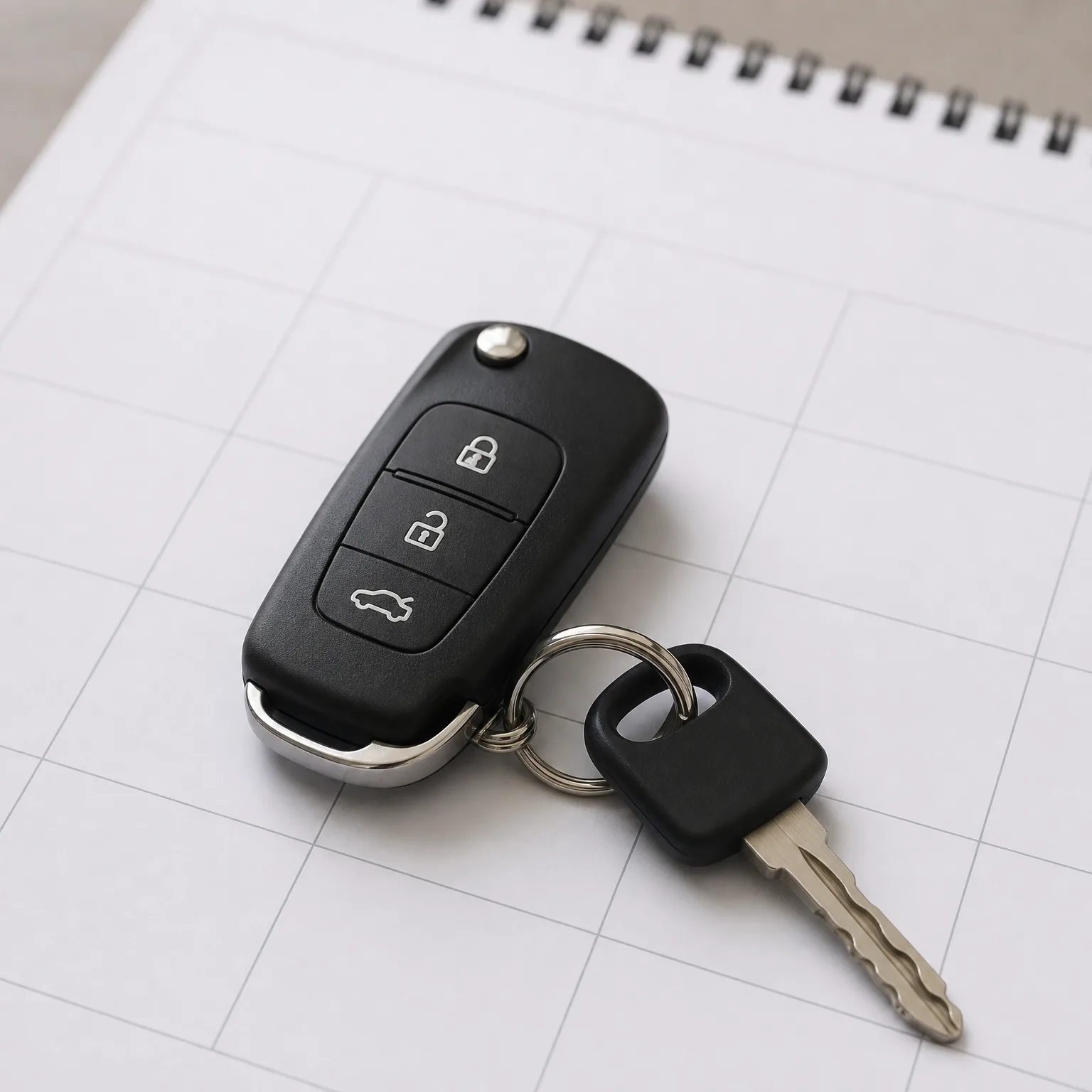
How to find your cheapest option without guessing
- Quote several companies Get quotes from large national insurers, regional ones, and direct-to-consumer options. Each prices risk differently, so casting a wide net is the only reliable way to find your cheapest match.
- Use identical coverage levels Make sure every quote has the same deductibles and coverage limits. Otherwise you're comparing different products, not different prices for the same protection.
- Ask about your discounts Mention your job, bundling options, low mileage, or safety features when you quote. Discounts aren't advertised the same way everywhere, so asking directly can reveal savings you'd otherwise miss.
- Re-quote every year or two The cheapest insurer for you can change as companies adjust their pricing strategies. Revisiting your quotes periodically keeps you from overpaying out of habit.
- Check your state's rules Required coverage and available discounts can vary by state. Confirm what's mandatory where you live before comparing prices, so you're comparing valid, apples-to-apples quotes.
Stop looking for the cheapest company and start looking for the cheapest company for you.
Does my credit score affect which insurer is cheapest for me?
In many places, yes, because insurers can weigh credit-based scores differently when pricing risk. Some companies rely on it heavily, others barely use it, which is part of why quotes vary so much between insurers for the same driver. Check whether your state allows this factor at all, since some restrict or ban it. If it's used, improving your score over time could shift which company ends up cheapest for you.
Will switching insurers cancel discounts I've built up for being loyal?
Possibly, since long-term loyalty discounts typically only exist with the company that gave them to you. Switching means starting over on tenure-based savings, but you may gain other discounts immediately, like safe driver or bundling discounts, that offset the loss. Compare the total price, not just the presence of a loyalty discount, before deciding. If the new quote is still lower overall, the switch is usually worth it despite losing that one discount.
Is it risky to switch insurers if I've never filed a claim?
No, switching itself carries no risk to your driving record or claim history, since that history stays attached to you, not your insurer. What matters is making sure your new policy starts exactly when your old one ends, with no coverage gap in between. Confirm the start date in writing and double check cancellation of the old policy, since a gap, even a short one, can affect future pricing.