Am I Insured if I Borrow Someones Car
In most cases the car's own insurance pays first, and your policy only steps in after that runs out.
Coverage usually follows the car, not the driver
Insurance is written to protect a specific vehicle. When the owner bought their policy, they told the insurer about that car, its value, and how it's used. So when you borrow it with permission, you're covered under that same policy as long as you're driving the way a reasonable person would expect the owner to allow. This is sometimes called permissive use, and it's standard in most policies, though the exact wording varies by insurer and state, so it's worth checking the owner's policy if you can.
Your own policy doesn't disappear in this situation. It usually sits behind the owner's policy as a backup. If the damage or injury costs more than the owner's coverage pays out, your policy can cover the rest, up to your own limits. This is why it matters what limits you carry on your own car, even one you rarely drive yourself, because that coverage can end up protecting someone else's accident.
There are situations where this breaks down. If the owner never gave you permission, coverage can be denied entirely. If you drive the car regularly, some insurers expect you to be listed on that policy by name, and if you're not, they may treat the loan as unauthorized use even though the owner said yes informally. Business use, like deliveries or rideshare driving, can also void coverage if the policy was written for personal use only.
State rules shape some of this too. A few states assign liability differently when a car is loaned, and insurers differ in how strictly they define permissive use. The safest move is to ask the owner directly what their policy says about letting others drive, and to check your own policy's language on using a car you don't own. That costs nothing and settles the question before anything happens.
What actually determines who pays
- Permission matters most If the owner said yes, you're almost always covered under their policy. If you took the car without asking, that protection can disappear.
- The owner's policy pays first Their coverage responds to the accident before yours does. Ask what their liability limits are if you're borrowing the car regularly.
- Your policy can back it up If damages exceed the owner's limits, your own policy may cover the gap. This is one more reason not to carry the bare minimum.
- Frequent use changes things If you drive this car often, some insurers want you listed on the policy. Ask the owner to check, especially before a long-term loan.
- Business use voids coverage Delivering food or driving for pay in a borrowed personal car can void coverage entirely. Don't assume personal auto policies stretch that far.
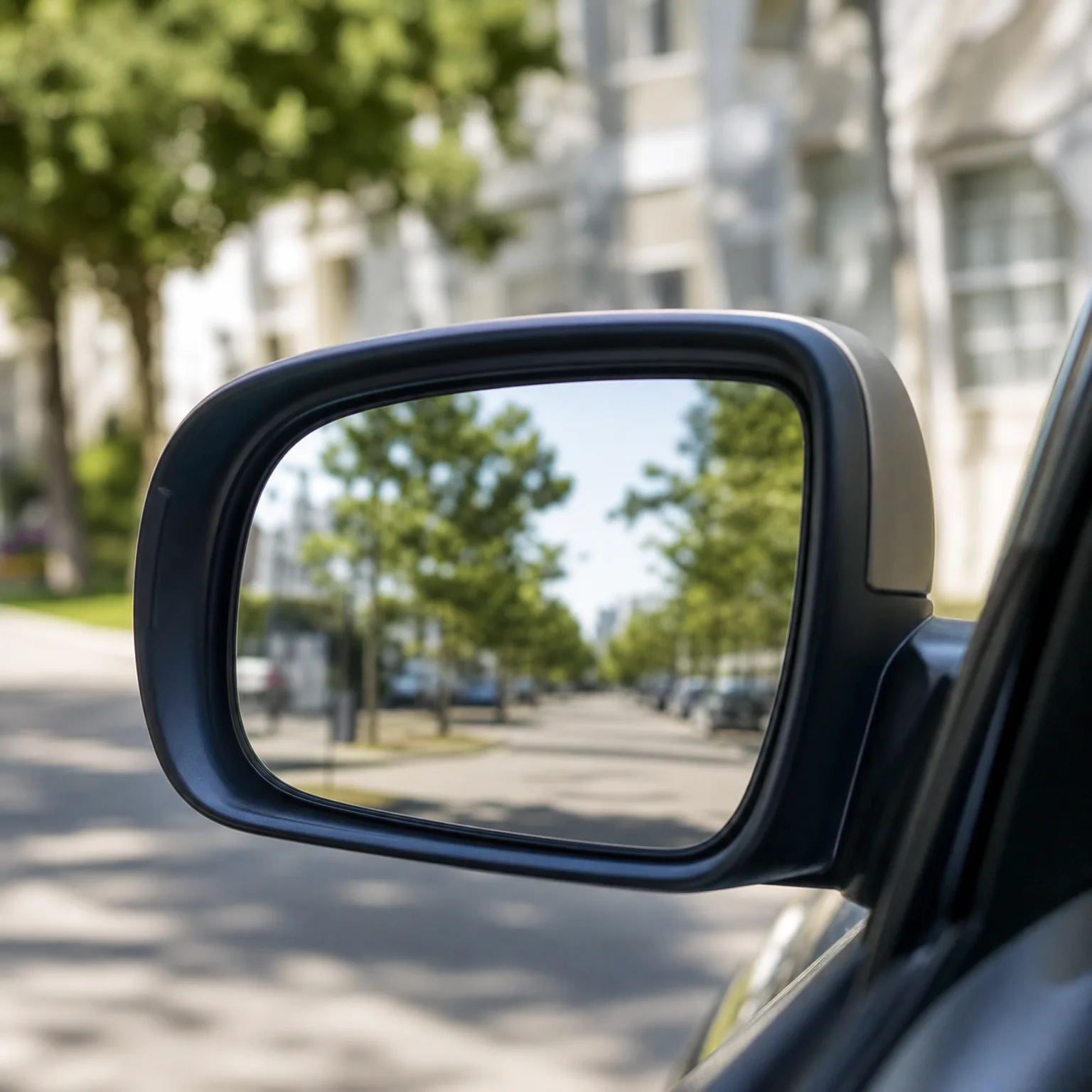
A weekend loan that turned into a real claim
Someone let a friend borrow their car for the weekend while the friend's own car was in the shop. The friend was comfortable driving it, since they'd borrowed it a few times before, always with a quick text asking first. On the second day, the friend was pulling out of a parking spot and clipped another car, cracking its bumper and headlight.
The friend called the owner right away, and they checked the owner's policy together before deciding what to do. Since the owner had given clear permission and the friend didn't drive for work or deliveries, the owner's insurance covered the other driver's repair costs under permissive use. The friend's own policy was never touched, because the damage stayed under the owner's limits. The owner's premium went up slightly at renewal, which is the tradeoff of lending a car, but the friend wasn't left owing anything personally, and the two agreed to text before every future loan just to keep things clear.
Once you know whose policy responds first, compare quotes that match the limits you'd actually want backing you up.
Does the owner's insurance rate go up if I crash their car?
Usually yes, because the claim is filed against their policy regardless of who was driving. Insurers typically price future premiums based on claims history tied to the vehicle and policyholder, not the driver at fault. Some insurers offer accident forgiveness that can prevent an increase after a first claim. If you borrow cars often, offering to cover any premium increase is a reasonable gesture, and worth discussing before you borrow, not after.
Can I be held personally liable even if the owner's insurance pays?
Yes, if the damages exceed the owner's coverage limits or if you were driving recklessly or without permission. The owner's policy pays first, but it doesn't erase your personal responsibility for the accident. If a lawsuit follows, both your and the owner's assets could be at risk depending on fault. Checking the owner's liability limits before a long loan tells you how much exposure you're actually carrying.
Should I buy rental-style coverage when borrowing a friend's car?
Usually not necessary, since that coverage is designed for rental agreements, not personal loans between friends. What matters more is confirming the owner's policy covers permissive use and knowing their limits. If you're borrowing the car for an extended period, ask whether being added to the policy temporarily makes more sense. That's a conversation with the owner's insurer, not something you buy separately.
The car you drive matters more than the name on your policy, so know whose coverage protects you first.