Car Insurance Too Expensive After an Accident
Your rate rose because the accident changed how insurers see your risk, and that effect fades faster than you might think.
Insurers price the next few years, not the accident itself
An accident makes insurers treat you as more likely to file another claim soon. That's the whole mechanism. The increase isn't a fine or a punishment for what happened, it's a forward looking bet, and the size of that bet depends on fault, the cost of the claim, and how your particular insurer weighs accidents against everything else they know about you.
This is why two people with the same accident can see very different increases. Insurers don't all use the same formula, and some weigh a single accident much more heavily than others. One insurer might treat it as a minor blip because your years of claim free driving still count for a lot. Another might weigh it heavily because their pricing model leans harder on recent history. Your state also matters here, because some states limit how long an accident can affect price or how much weight fault can carry, so what resets your rate in one place might linger longer in another.
The effect also isn't permanent on a fixed schedule everywhere. It typically fades as the accident moves further into your past, but how fast depends on the insurer and sometimes on the state. This is exactly why shopping around after an accident is different from shopping around after a clean year. You're not looking for the cheapest price in general, you're looking for the insurer whose formula is kindest to your specific situation right now.
The cases where this plays out differently usually involve the details of the accident itself, like whether another driver was found at fault, whether you used accident forgiveness if you had it, or whether the claim amount was small enough that some insurers barely react to it. None of that changes the core idea. The price moved because of risk, and risk assessments differ by insurer.
What actually determines how much your rate moved
- Who was at fault If you weren't at fault, some insurers won't raise your rate at all, while others still factor in that a claim was paid. Ask your insurer directly how they handle not at fault claims.
- Accident forgiveness status If you had this protection, your first accident may not count against you at all. Check your policy documents or call your insurer to confirm whether it applied here.
- How your insurer weighs history Some insurers lean heavily on recent accidents, others blend in your longer driving history. This is exactly why getting quotes elsewhere can reveal a real difference in price.
- State rules on rating factors Some states limit how accidents can be used in pricing or for how long. Check your state insurance department's site to see what protections apply to you.
- Size of the claim paid out Larger payouts tend to move your rate more than minor ones. If your claim was small, ask whether that worked in your favor when quotes come back.
How long will my rate stay high because of this accident?
It depends on your insurer and sometimes your state, not on a fixed universal clock. Most insurers do let the effect fade as the accident ages, meaning it typically matters less with each passing year it sits further in your past.
But there isn't one standard timeline you can count on everywhere. Some insurers phase it out gradually, others seem to hold it against you for longer, and some states actually regulate how long certain claims can be used in pricing at all. The only reliable way to know your real timeline is to ask your current insurer directly how they handle aging accidents, and to check with your state insurance department about any rules that limit this. Getting quotes periodically also tells you something, because if a competitor's price drops while yours stays flat, that's a sign your insurer is holding onto this accident longer than others would.
You know why your rate rose and what controls it, so compare quotes to find an insurer pricing your situation fairly.
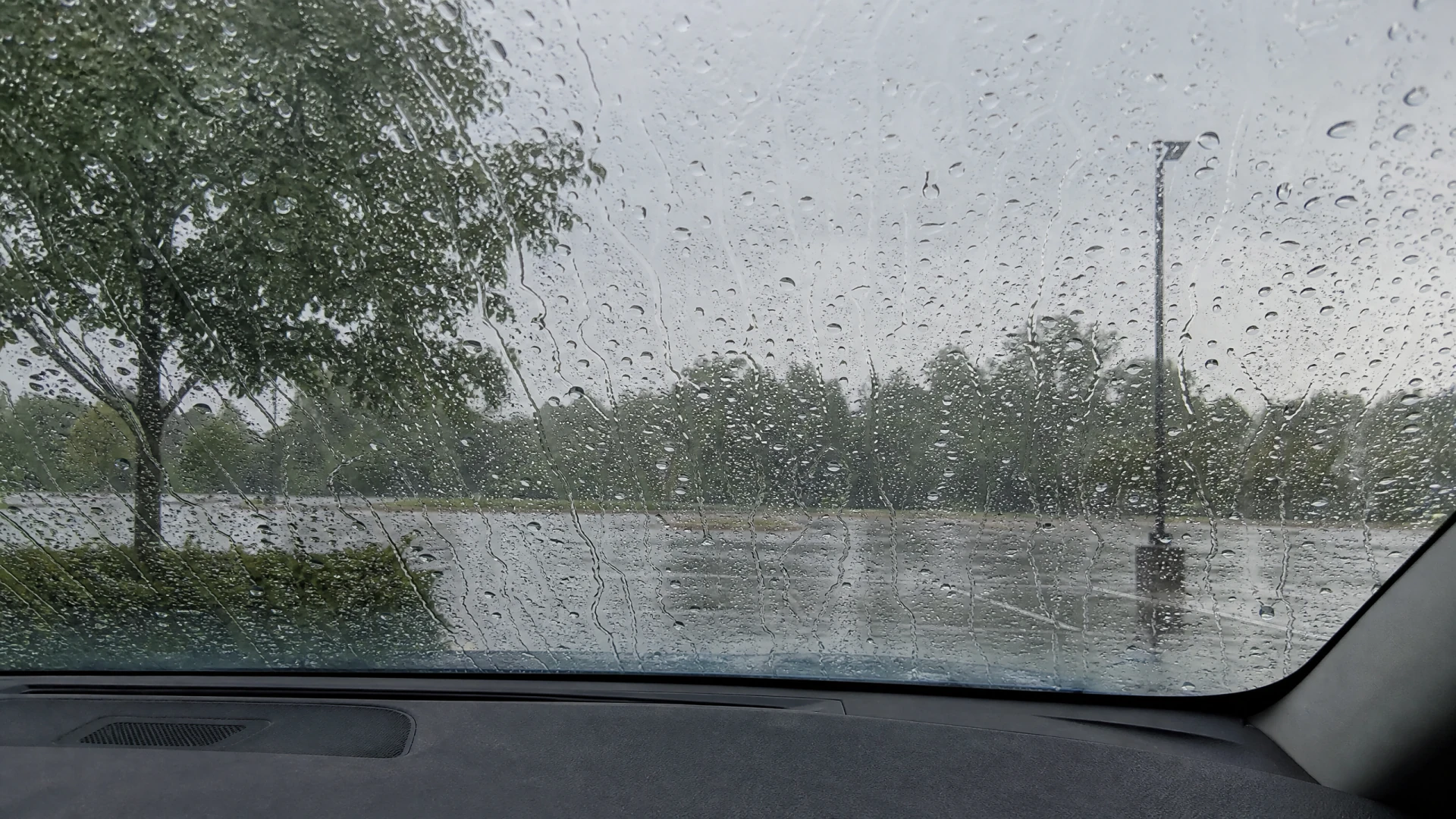
A driver who got rear ended and still saw their rate climb
Someone was stopped at a red light when another driver hit them from behind. The police report and the other driver's insurer both confirmed fault rested entirely with the other car. Even so, this driver's own rate increased at renewal, which felt unfair given they'd done nothing wrong.
When they called their insurer to ask why, they learned that this particular company factored in any paid claim regardless of fault, treating it as a sign of exposure rather than blame. Frustrated, they requested quotes from a few other insurers and found one that explicitly didn't raise rates for not at fault accidents with a police report confirming the other driver's responsibility. They switched, kept the same coverage levels, and brought their rate back down close to where it had been before the accident, without waiting out years of higher payments for something that wasn't their fault to begin with.
The accident didn't set your price. Your insurer's formula did, and other insurers use different ones.