Choosing a Cheaper Car to Insure
The car itself can move your premium more than most discounts ever will, before you even start comparing insurers.
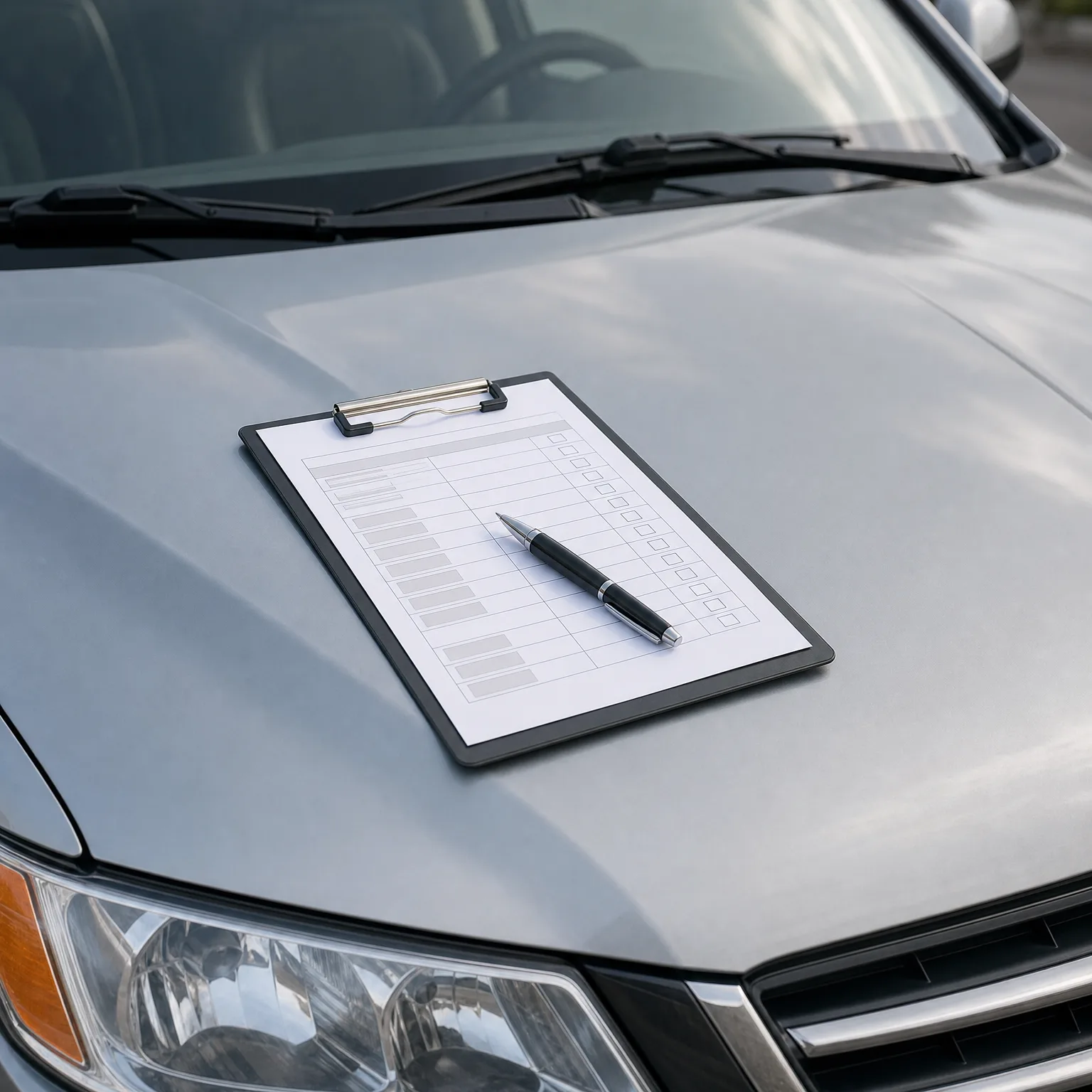
What actually changes the price you pay
- Repair cost and parts Cars with common, cheap parts and simple repairs cost less to insure. Before you buy, check how expensive the specific trim is to fix, not just the sticker price.
- Safety and crash ratings Cars that protect occupants well and avoid crashes tend to cost less to insure. Look up independent safety ratings for the exact model year, not the nameplate in general.
- Theft rate for that model Some cars get stolen far more than others, and insurers price that in. Ask how often that model is reported stolen in your area before you commit.
- Horsepower and performance Faster, higher performance versions of the same car usually cost more to insure than the base trim. If price matters more than speed, the plainer trim is the cheaper choice.
- Size and weight in a crash Heavier vehicles often do more damage to other cars and people, which raises liability costs. Smaller, lighter cars aren't always cheaper though, so check the actual rating.
Will switching to a cheaper car actually lower my current premium?
Yes, usually, but the size of the drop depends on what you're switching from and to. If you move from a sports trim or a frequently stolen model to a plain, well rated version of a similar car, you'll likely see a real difference. If you're already driving something modest, the gain may be smaller than you expect.
The only way to know for certain is to get a quote on the specific car you're considering before you buy it, not after. Insurers price the exact trim and year, so two versions of the same model can carry different premiums. Call or quote it using the vehicle identification number if you can, especially for a used car, since trim details aren't always obvious from the listing.
Once you've picked the car, compare quotes on it before you buy, so the price you plan for is the price you get.
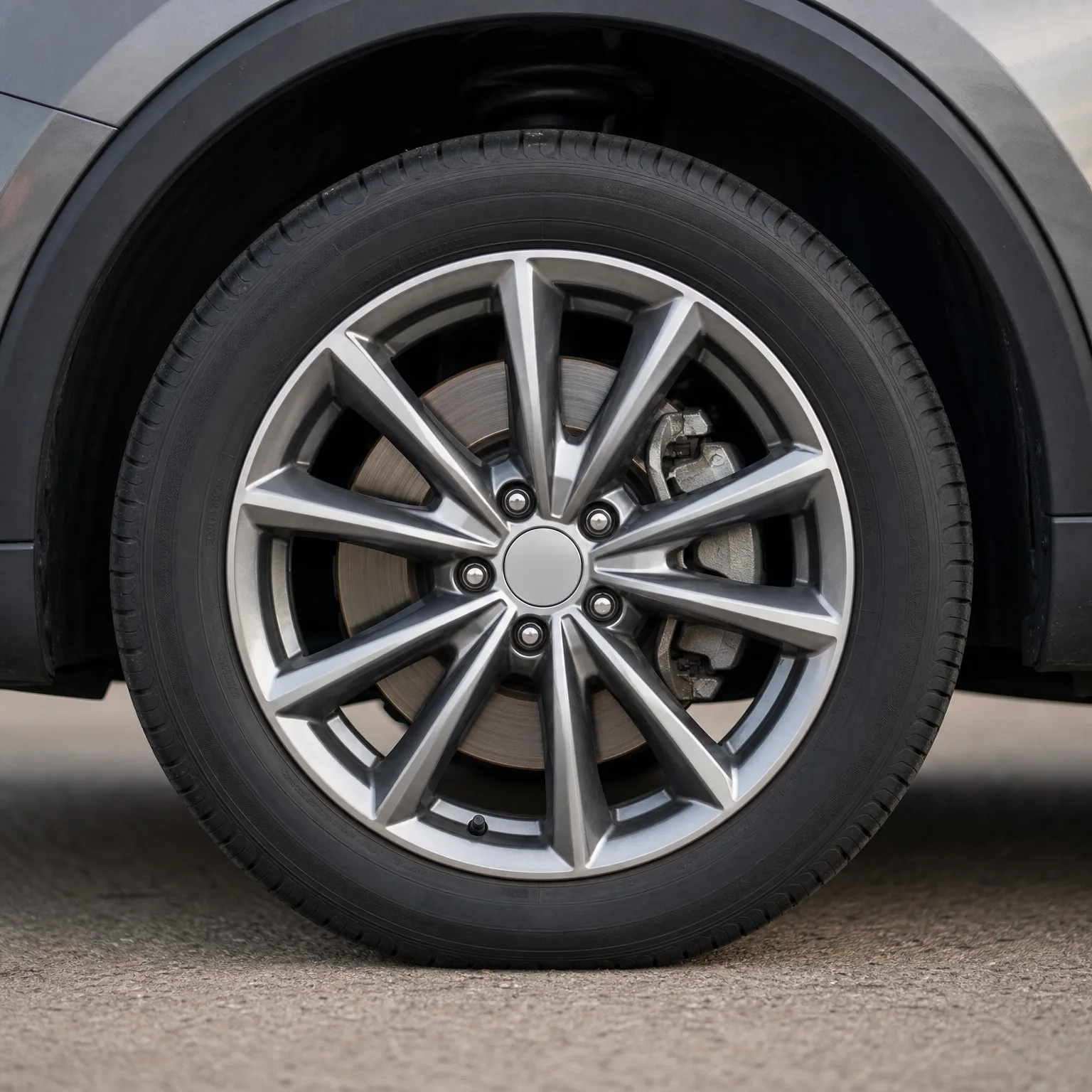
Trading a loaded sedan for the base model of the same car
A reader was driving a mid-size sedan in its top trim, with a bigger engine and upgraded wheels, and the premium had crept up every renewal. The car still ran fine, but the payment combined with insurance was squeezing the budget every month. Before shopping, they looked up how the base trim of the same model compared, since it was mechanically similar but without the performance upgrades or the expensive wheels.
They got quotes on both the current car and the base trim before deciding anything, using the exact trim listings rather than guessing. The base version came back noticeably cheaper to insure, partly because of the smaller engine and partly because the wheels and trim package were less costly to replace after a claim. They traded down, kept the same coverage levels they'd already decided they needed, and the new premium reflected the car rather than any change in their driving. The decision came from comparing the actual numbers on paper, not from assuming a plainer car would automatically cost less.
Why the car itself moves the price this much
Insurers price a policy around what a claim would likely cost them, and the car is half of that equation. Every model has a track record of repair costs, theft reports, and injury outcomes in crashes, and insurers pool that history across every policy on that model. A car with expensive, hard to find parts or a high theft rate costs more to insure because claims on it tend to cost more, not because of anything about you as a driver.
This is why two people with identical driving records and identical coverage can pay different amounts, simply because they drive different cars. The engine size, the trim level, and even the wheel package can shift the price, because each of those changes what a repair or a theft claim looks like. A plain, well reviewed version of a popular model is often the cheapest to insure precisely because parts are common and claims are predictable.
Where this gets complicated is that cheap to buy and cheap to insure aren't the same thing. Some inexpensive used cars are stolen often or expensive to repair due to parts scarcity, so they insure poorly despite a low purchase price. Likewise, some newer cars with strong safety features cost more upfront but insure well because they protect occupants and avoid crashes in the first place.
State rules and individual insurers also weigh these factors differently, so the exact size of the effect varies. Check how a specific insurer treats the model you're considering, since one company might weight theft rate heavily while another leans more on repair cost or safety rating.
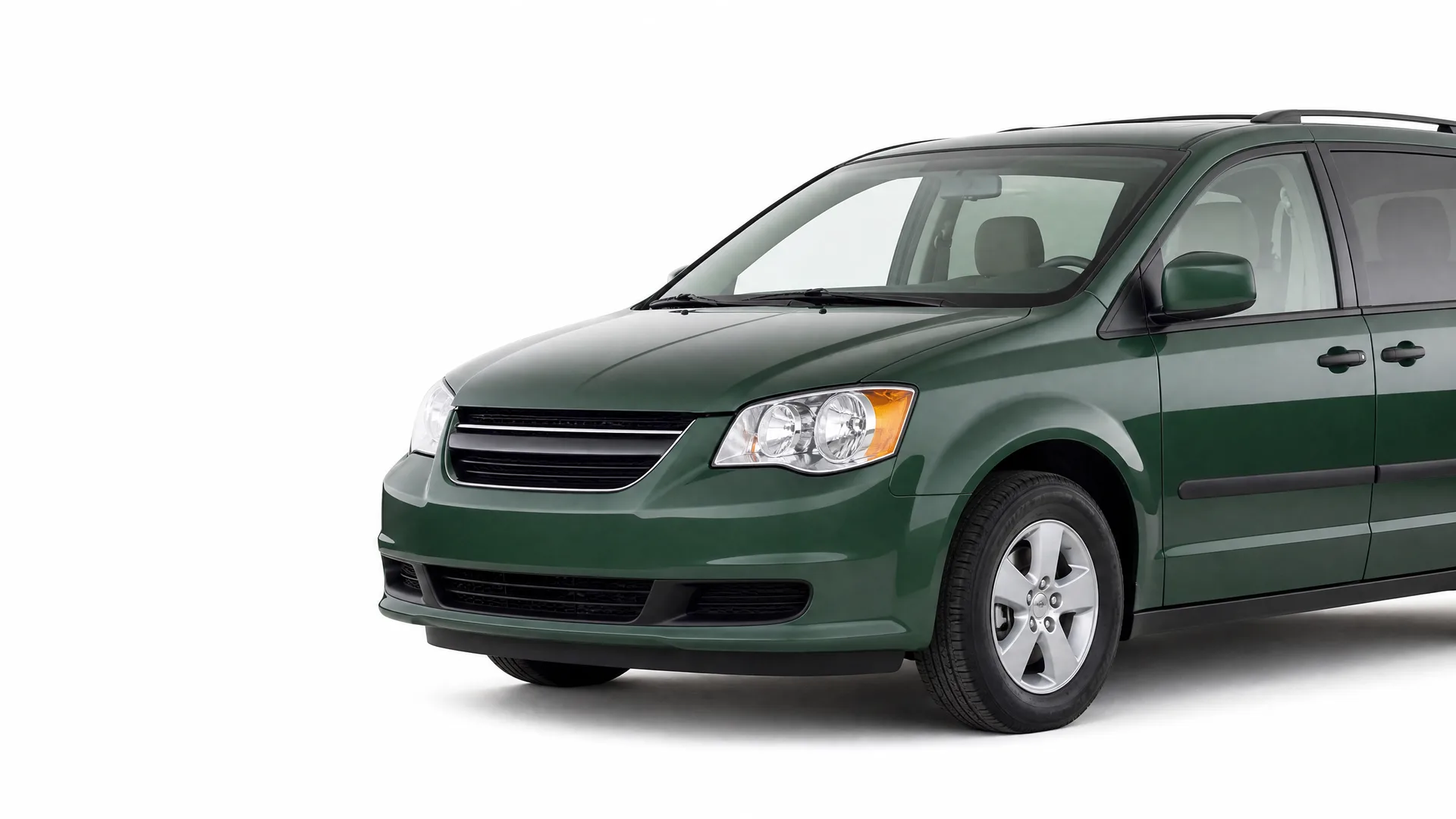
The next car you choose sets your insurance price before any discount ever could.