Does Car Make and Model Affect Insurance
Yes, the specific car you drive changes your premium, often by more than your driving record does.
Insurers price the car because the car predicts the claim
An insurer is really betting on two things when it prices your policy, how likely you are to file a claim and how much that claim will cost. Your make and model feed directly into both sides of that bet. A car that gets stolen often, costs a lot to repair, or tends to be in serious accidents will cost more to insure no matter who is driving it.
Repair cost is a big piece of this. Cars with expensive parts, specialized labor, or body styles that are hard to fix after a collision cost insurers more every time something goes wrong. That cost gets spread back onto your premium. Sedans and SUVs with widely available parts and simpler repairs tend to be cheaper to cover than performance cars or low-volume models.
Safety performance matters just as much. Insurers look at how a specific model performs in real crashes, not just its star rating, and models with a history of severe injury claims get priced higher. Theft rates matter too, since some models are targeted more than others in certain regions, which is why the same car can price differently depending on where you live.
There are exceptions worth knowing. A car with a strong safety record but a high horsepower engine may still price high because insurers weigh how the car is likely to be driven. And two nearly identical trims can land in different price tiers if one has features like upgraded brakes or advanced driver assistance that insurers reward. Check with the insurer directly if you're comparing trims, since this detail isn't always visible on a quote page.
What about the car actually moves your price
- Repair cost and parts Cars with pricier or harder to find parts cost more to fix after a claim. Ask a shop or the insurer how parts availability looks for the trim you want before you commit.
- Safety track record Models with a history of serious injury claims carry higher premiums, even with good crash test ratings. Look up real-world claims data, not just star ratings, before buying.
- Theft rates by area Some models get stolen more often in certain regions, which raises comprehensive coverage costs locally. Ask the insurer if your specific model has a theft history where you live.
- Engine size and trim Higher horsepower versions of the same model often cost more to insure than the base trim. If budget is tight, the lower trim of a car you like may be the easier path.
- Safety tech installed Features like automatic braking or lane assist can lower your rate on certain models. Ask if the trim you're considering qualifies before you finalize the purchase.
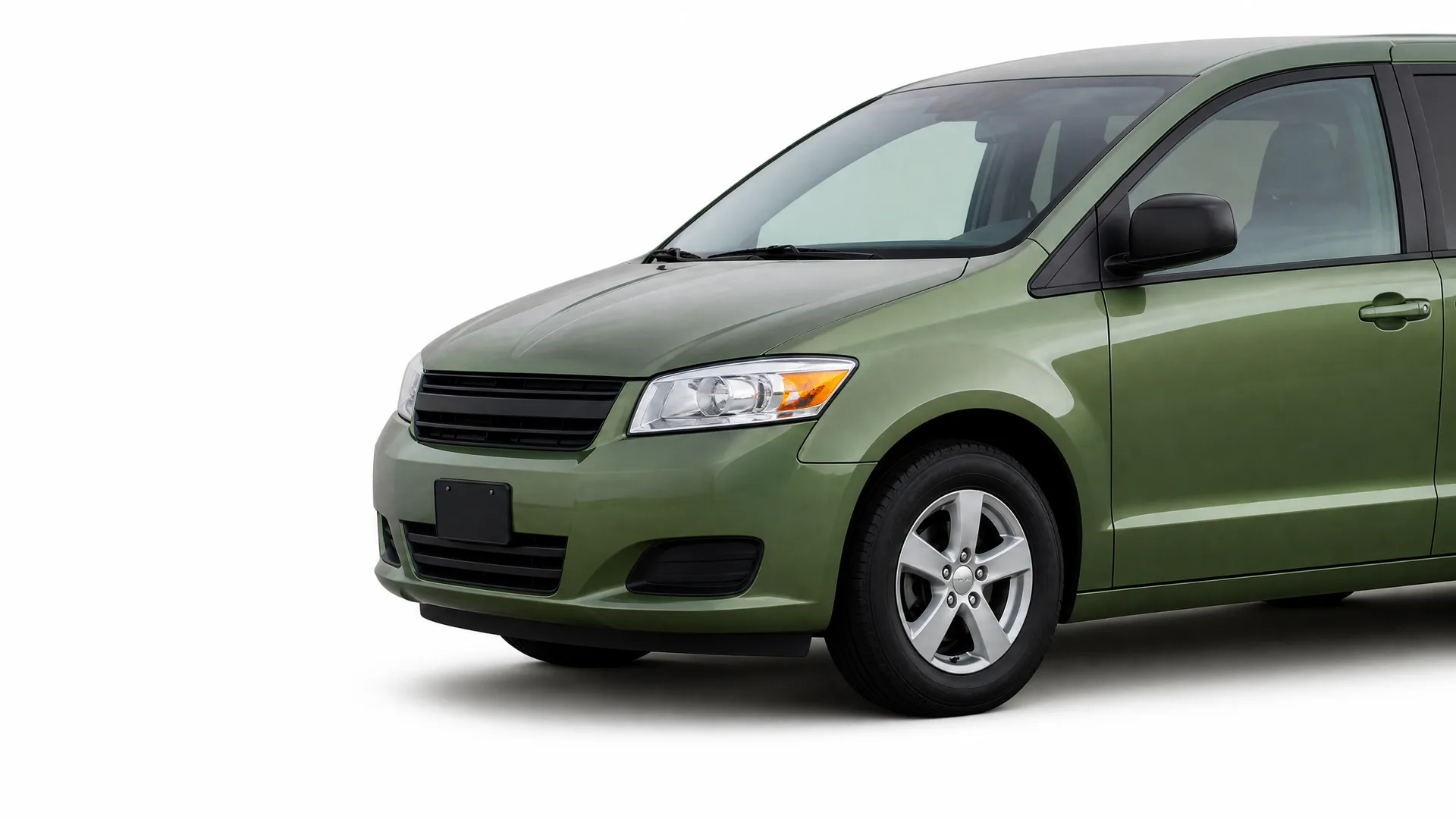
The car you choose next is itself a premium decision, not something you price out after.
Compare quotes on the specific trim you're considering, not just the model name, so the price you see is the real one.
Should I check insurance cost before buying a car?
Yes, and ideally before you sign anything. Getting a quote on the exact make, model, and trim you're considering can reveal cost differences that aren't obvious from the sticker price alone. Two versions of the same car can carry noticeably different premiums once you factor in engine size, safety features, and even color-adjacent trim packages that change parts costs.
This matters most when you're choosing between two realistic options, not when you've already fallen in love with one car. If you have flexibility, ask for quotes on both before you decide. If you've already bought the car, there's no need to panic, since you can still shop around for the best rate on the vehicle you have. The window where checking helps most is simply before the purchase is final.
Choosing between two SUVs with the same price tag
A reader was deciding between two SUVs priced almost identically at the dealership, one a popular compact SUV with a strong safety record and widely available parts, the other a newer model with a turbocharged engine and a sportier trim. Both looked like reasonable choices on paper, and the monthly payment would have been nearly the same either way.
Before signing, they asked for insurance quotes on both exact trims. The turbocharged model came back noticeably higher, driven by its engine size and a thinner repair network for its specialized parts. The compact SUV priced lower across the board, partly because of its safety history and partly because parts for it were cheap and easy to source. They chose the compact SUV, and the insurance savings each month ended up being larger than the small difference in the sticker price, something they wouldn't have caught if they'd only compared payments at the dealership.
Does car color affect insurance rates?
No, color itself does not affect your rate. What does affect it are things that sometimes correlate with certain colors or trims, like performance packages or limited editions. If you're comparing two colors of the exact same trim, expect no difference. Check the trim details, not the paint, if you're trying to understand a price difference.
Why is my insurance higher than my friend's for the same car?
It's usually not actually the same car. Trim level, engine size, safety features, and even the specific year can differ even when the model name matches. Location also plays a large role, since theft rates and repair costs vary by area. Compare your exact VIN details and zip code against theirs before assuming something is wrong.
Do electric cars cost more to insure than gas cars?
Often yes, mainly because repair costs tend to run higher due to specialized parts and labor. This varies a lot by model and insurer, so it's not a universal rule. Ask for a quote on the specific electric model you're considering rather than assuming based on fuel type alone, since the gap has been narrowing for popular models.