Do New Cars Have Higher Insurance
Yes, a new car almost always costs more to insure than the used one it replaced, because it costs more to repair or replace.
It comes down to what the car costs to fix or replace
Your premium is the insurer's bet on what they'll have to pay out. A new car has a higher value, newer parts that cost more to source, and often more technology packed into the bumpers and sensors. When something goes wrong, the repair bill is bigger, so the insurer charges more to cover that risk.
This shows up most in the coverages tied to the car's value, not the ones tied to the people in it. The parts of your policy that pay for someone else's car or injuries don't change much just because your car is new. The parts that pay to fix or replace your own car move the most, because that's where the higher value and repair cost actually live.
It doesn't always work out this way. A new car with a strong safety record, simple parts, and low theft rates can sometimes insure for close to what an older model cost, especially if the car it's replacing was unusually expensive to repair or insure for other reasons. The model matters as much as the fact that it's new.
What varies by insurer is how heavily they weigh the car's value versus its safety and repair history. Two insurers can look at the same new car and land on different numbers, so this is worth checking directly rather than assuming the increase will be the same everywhere.
Trading an older sedan for a new one in the same class
Picture replacing a car that's several years old with a new version of a similar, ordinary sedan. The payment is the obvious new expense, but the insurance bill also goes up, and it catches people off guard because the car feels like the same kind of car. The reason is that the new one is worth more and costs more to repair, so the coverage that protects the car itself got more expensive, even though nothing about how you drive changed.
Before signing for the car, it's worth getting a quote on the exact trim and model first. Doing that lets you see the real number before you're committed, and it gives you a chance to adjust the deductible or drop a coverage you don't need before the higher premium becomes a surprise on your first bill. Checking first instead of after means the decision about the car and the decision about the premium get made together, not one after the other.

Now that you know why the new car costs more to insure, compare quotes on the exact model to see the real number.
Will my insurance go down after the first year?
Usually a little, but not because the car stopped being new. Cars lose value fastest in the first stretch after purchase, and insurers adjust what they'd pay out in a claim as that value drops. So the coverage tied to the car's value can get cheaper as the car ages, even by a small amount each renewal.
What won't change on its own is anything tied to you, like your driving record or where you live. If those stay the same, the drop you see is coming entirely from the car's depreciating value. Ask your insurer how they reassess vehicle value at renewal, because some do it automatically and others only adjust if you ask.
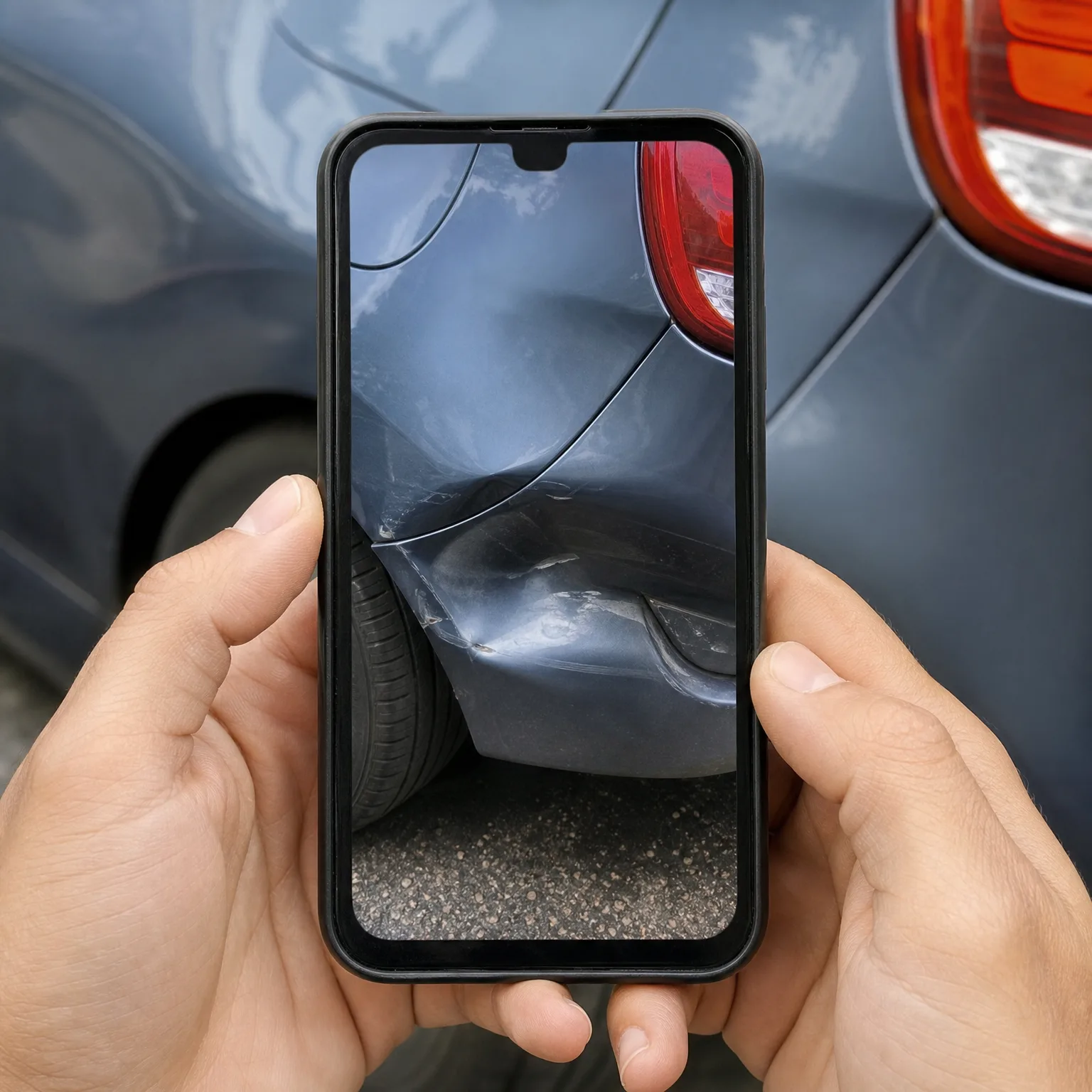
What actually drives the higher cost on a new car
- Replacement value The insurer has to pay out more if your new car is totaled, so this coverage costs more. Check if a cheaper trim or last year's model changes the number.
- Repair cost per part Newer cars often use pricier sensors and panels, which raises the cost of fixing even minor damage. Ask your insurer how repair cost estimates factor into your quote.
- Which coverages move The jump mostly hits coverage for your own car, not coverage for others. Review your policy breakdown so you know exactly which line went up.
- Deductible tradeoff Raising your deductible on the car-damage coverage can offset some of the increase. Decide what you could actually pay out of pocket before choosing a higher number.
- Discounts tied to new cars Some insurers lower costs for safety features or anti-theft tech that's more common on new models. Ask specifically what the new car qualifies for before assuming the price is fixed.
Does a more expensive car always cost more to insure?
Not always. Price is one factor, but repair cost, safety record, and theft rates matter just as much. A moderately priced car with costly parts or a high theft rate can insure for more than a pricier car that's cheap to fix and rarely stolen. Check the specific model's safety and repair ratings rather than assuming price alone decides it.
Is it cheaper to insure a certified used car instead of new?
Usually yes, because it has already lost some value. The gap narrows the older the used car gets, since repair costs and safety features may be similar to the new version. Compare quotes on both the new and used option for the same model before deciding, since the difference is sometimes smaller than expected.
Can I lower the cost before I even buy the new car?
Yes, by getting a quote on the exact trim before you sign anything. This lets you adjust your deductible, drop coverage you don't need, or choose a different trim level if the number is higher than you expected. Doing this before the purchase gives you room to negotiate the whole decision at once, instead of discovering the cost after it's final.