Do You Need Rental Car Coverage
You need rental car coverage if you couldn't absorb days or weeks without your own car without real cost or stress.
It only pays for a gap most people already have, one way or another
Rental car coverage, sometimes called transportation expense coverage, pays for a replacement car while yours is being repaired after a covered claim. It doesn't cover your own liability or damage, that's handled by other parts of your policy. It covers the in-between, the stretch your car is in the shop and you still need to get to work, get your kids around, and live your life.
Whether you need it comes down to one question. If your car were gone tomorrow for however long repairs take, what would you do, and what would that cost you? If the answer is a rental car out of pocket, or missed shifts, or a scramble to borrow a vehicle, this coverage is solving a real problem for you. If you have a second car in the household, a flexible job, or easy access to a ride without paying for one, the gap it fills may not exist for you.
This is also one of the cheaper add-ons on a policy, which changes the math. A small ongoing cost that prevents a sudden, larger one is often worth carrying even if you'd only use it occasionally, because the point of insurance is to protect you from costs you can't absorb at a bad moment. The reader trying to cut every corner on premium should still weigh this one differently than liability limits or collision deductibles, since the dollars involved are smaller but the protection is specific and real.
What varies is how the coverage is structured. Some insurers pay a flat daily amount, others cap a total for the claim, and some only pay while your car is actually in the shop for a covered repair, not for routine maintenance or a mechanical breakdown. Check your policy's daily limit and total limit, and check whether it applies only after a covered claim or in other situations too.
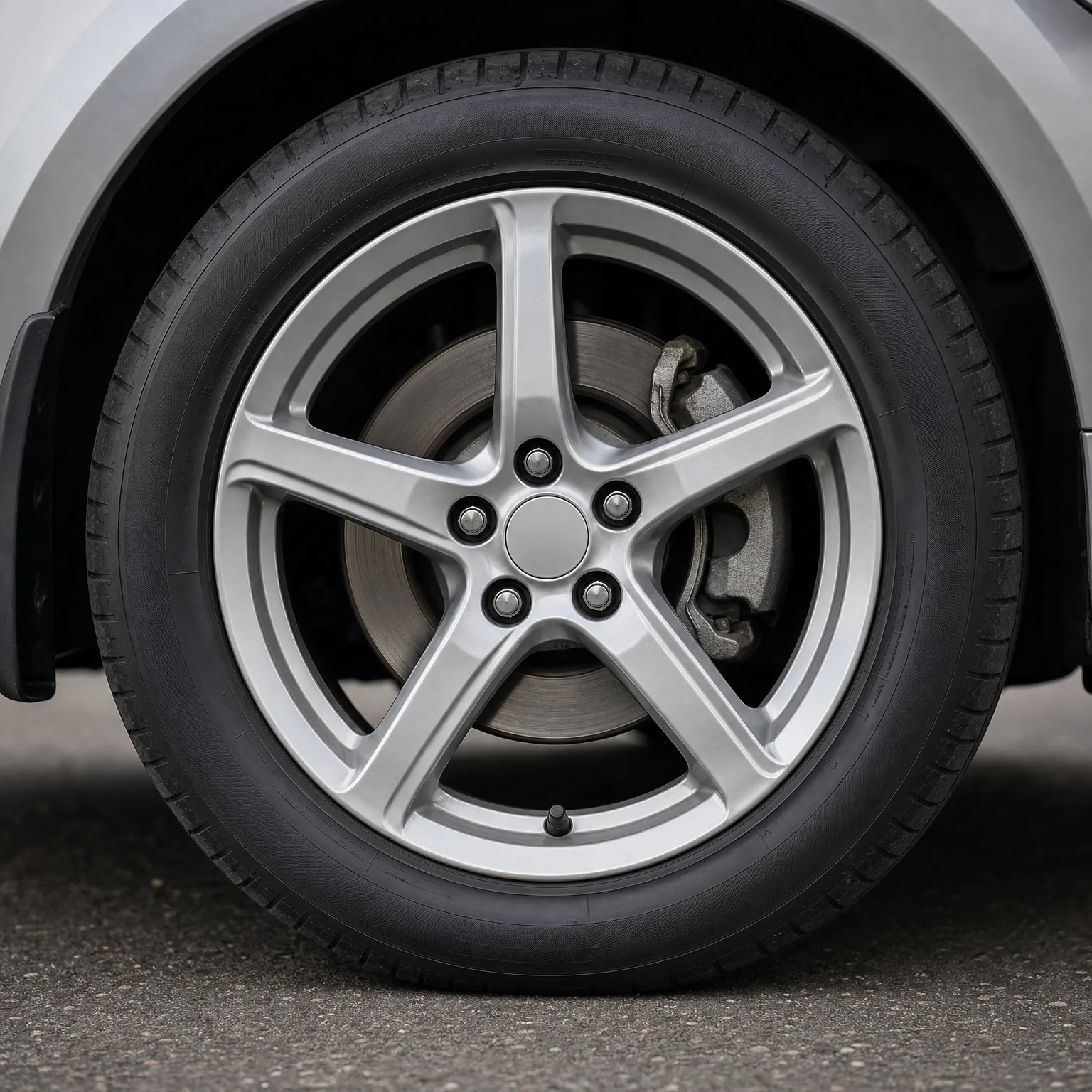
A car in the shop for two weeks after a collision
You're rear-ended at a light, not your fault, but your car still needs two weeks of bodywork. You have one car in your household and a job that doesn't allow remote work. Without rental coverage, you're paying for a rental out of pocket for those two weeks, or missing shifts and losing income while you wait. Either way it's a cost you didn't plan for landing right when you're already dealing with the accident itself.
With rental coverage on your policy, you call your insurer, they confirm the claim, and you pick up a rental car covered up to your policy's daily and total limits. You still have a life to run while your car gets fixed. The coverage itself added very little to your monthly premium, small enough that you may not have noticed it. In this situation, that small amount is the difference between the accident being an inconvenience and it being a financial setback on top of an already stressful week.

Now that you know whether rental coverage fits your life, compare quotes with and without it to see the real cost.

Whether to add rental car coverage to your policy
If you do
If your car is laid up for repairs, you have a rental ready with no scramble and no surprise bill, just your daily and total limits to keep in mind. You keep getting to work and handling your life. The extra cost on your premium is usually small enough to barely notice.
If you don't
If you don't carry it and your car needs repairs after a covered claim, you're paying for a rental yourself or going without a car until repairs finish. For someone with one car and a fixed schedule, that can mean real out-of-pocket cost or lost income stacked on top of an accident you didn't cause.
What actually decides if you need this coverage
- Only one car in the house If you have no backup vehicle, losing your car even briefly means paying for a rental or losing mobility entirely. This is the strongest reason to carry the coverage.
- Inflexible work or schedule If missing a shift costs you pay or your job, a rental keeps you moving while repairs happen. Weigh that against what the coverage adds to your premium.
- Check the daily and total limits Insurers cap what they pay per day and overall for a rental claim. Ask for both numbers before deciding the coverage is enough for a realistic repair timeline.
- Only triggers on covered claims This isn't general rental reimbursement, it only pays after an accident or other covered event, not routine maintenance or a breakdown. Check your policy's exact trigger.
- Compare cost to one rental week Price out what a week of rental would cost near you, then compare that to what the coverage adds to your premium over a year. The gap usually makes the decision clear.
The real question isn't the cost of the coverage, it's what you'd do without a car while repairs drag on.