Is Car Insurance a Waste of Money
No, it isn't a waste, but you're probably paying for more protection than you need and not enough of the right kind.
It's a transfer of risk you can't absorb yourself
Car insurance exists because one bad afternoon can cost more than most people have saved. You're not paying for a policy you'll never use, you're paying so that if something goes wrong, the bill doesn't fall entirely on you. Most months that money feels gone for nothing, but that's true of any insurance that's doing its job. The year you need it, it's the only thing standing between you and a debt that follows you for years.
Where people go wrong is treating all coverage as equally necessary. Liability coverage protects other people from what you do, and in nearly every state you're required to carry it because the alternative is you causing harm you can't pay for. Collision and comprehensive coverage protect your own car, and those are the parts worth examining, especially if your car is older or nearly paid off. The math changes once your car is worth less than what you'd pay in a year or two of premiums plus the deductible.
Deductibles are the lever most people underuse. A higher deductible lowers your monthly payment because you're agreeing to absorb more of a small claim yourself in exchange for the insurer charging you less for that privilege. This only works if you actually have that deductible amount set aside, otherwise you've just moved the financial stress from the premium to the moment of the claim. Check what deductible options your insurer allows and whether raising it actually changes your premium enough to matter.
Discounts and coverage overlap are the other place money leaks out quietly. Some drivers pay for rental car coverage they don't need, or carry coverage limits far above what their assets could ever be sued for. Review what you're actually carrying against what you actually own and drive, because the right amount of coverage is specific to your situation, not a number everyone should copy.
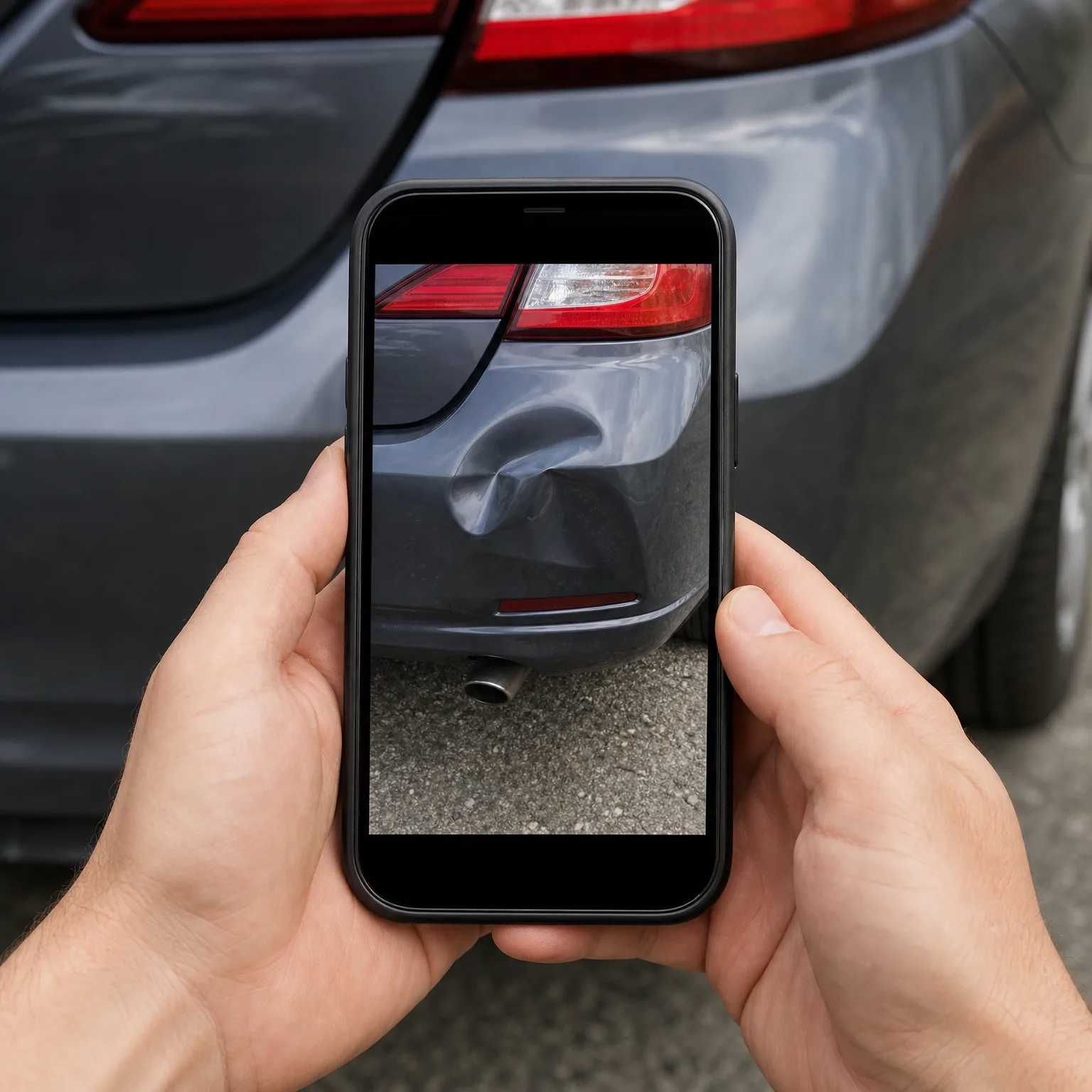
Where the actual decision is, not whether to have coverage at all
- Liability limits This protects everything you own if you hurt someone else. Don't cut this low to save money, raise your deductible instead.
- Dropping collision Makes sense once your car's value is low relative to the premium. Check your car's current worth before deciding, not what you paid for it.
- Deductible level Raising it lowers your bill every month. Only do it if you actually have that cash set aside for the day you need it.
- Stacked discounts Bundling, safe driving, low mileage, and payment-in-full discounts often stack. Ask your insurer directly which ones you qualify for, they won't always volunteer it.
- Coverage overlap Rental reimbursement or roadside add-ons duplicate things you may already have elsewhere. Check your credit card or membership benefits before paying twice.
The real question isn't whether to have insurance, it's whether it's shaped for what you actually own.
Once you know which coverages and deductible fit your situation, compare quotes for exactly that.

Whether you drop collision coverage on an older car
If you do
You lower your monthly bill right away, sometimes by a real amount. If your car is totaled or stolen, you get nothing for it and have to cover a replacement yourself. This only makes sense if you could afford to walk away from the car entirely without it changing your life.
If you don't
Your payment stays higher every month, but a totaled or stolen car gets replaced minus your deductible. This matters most if you're still relying on this car to get to work and couldn't easily replace it with cash on hand right now.
A driver with a ten year old car and a tight monthly budget
A driver was paying a premium that felt heavy for a car worth a modest amount at trade-in. They carried full coverage, the same setup from when the car was newer and worth much more. They pulled up the car's current value, compared it to what a year of collision and comprehensive premiums cost plus the deductible, and found the math didn't favor keeping that coverage anymore.
They dropped collision and comprehensive, kept liability at a safe level, and raised their deductible on the coverage they kept since they'd built up a small cushion by then. Their monthly payment dropped enough to matter, and they put part of that difference toward an emergency fund earmarked specifically for car repairs or a down payment on a replacement if something happened. The trade-off was real, if the car was stolen they'd get nothing for it, but given its value that risk was one they could absorb. The decision fit their car and their finances, not a general rule about what everyone should carry.