Is It Possible to Pause Your Car Insurance
You can pause car insurance only if the car never touches a public road, and even then it depends on your state and insurer.
What decides whether you can actually pause it
- Where the car sits If the car stays in a garage or private lot and never touches a public road, pausing is usually allowed. If it's parked on the street, most states still require coverage.
- Your state's rules Some states let you file a form declaring the car off the road so you can drop coverage legally. Call your state's motor vehicle agency and ask if this option exists where you live.
- Your lender's rules If you're financing or leasing the car, your lender almost certainly requires continuous coverage. Check your loan agreement before you cancel anything.
- Comprehensive-only coverage Instead of pausing entirely, many insurers let you drop liability and collision but keep comprehensive, which protects against theft or damage while parked. Ask your insurer if this costs less than a full pause.
- The gap in your record Any lapse in coverage, even a legal one, can show up when you shop for insurance again later. Ask your insurer how they'll treat the gap before you decide.
Will pausing my insurance make my next policy cost more?
It can, but it depends on why the gap happened and how your insurer treats it. A lapse you filed properly, with your car declared off the road through your state, usually looks different than a lapse caused by a missed payment or lost policy.
Some insurers ask only about driving history and don't penalize a documented pause. Others treat any gap in coverage as a red flag, regardless of the reason. Before you pause anything, ask your current insurer directly how they classify a planned pause versus a lapse, and ask what you'd need to show when you come back.
If you're worried about the cost of returning, get that answer in writing or at least in an email before you cancel. That way you're deciding with real information instead of guessing.

Pausing coverage versus keeping a minimum policy
If you do
You stop paying immediately and save the full premium each month. But if the car ever leaves the garage, gets stolen, or is damaged by weather or fire, you have no coverage and pay the full cost yourself. You may also need to refile paperwork with your state before driving again.
If you don't
You keep paying something every month, but the car stays protected against theft, fire, and weather even while parked. You avoid any gap in your insurance record, and restarting full coverage later takes a phone call instead of a new application process.
Once you know whether a true pause or a stripped-down policy fits your case, compare quotes for the option you need.
A driver who stopped commuting but kept the car
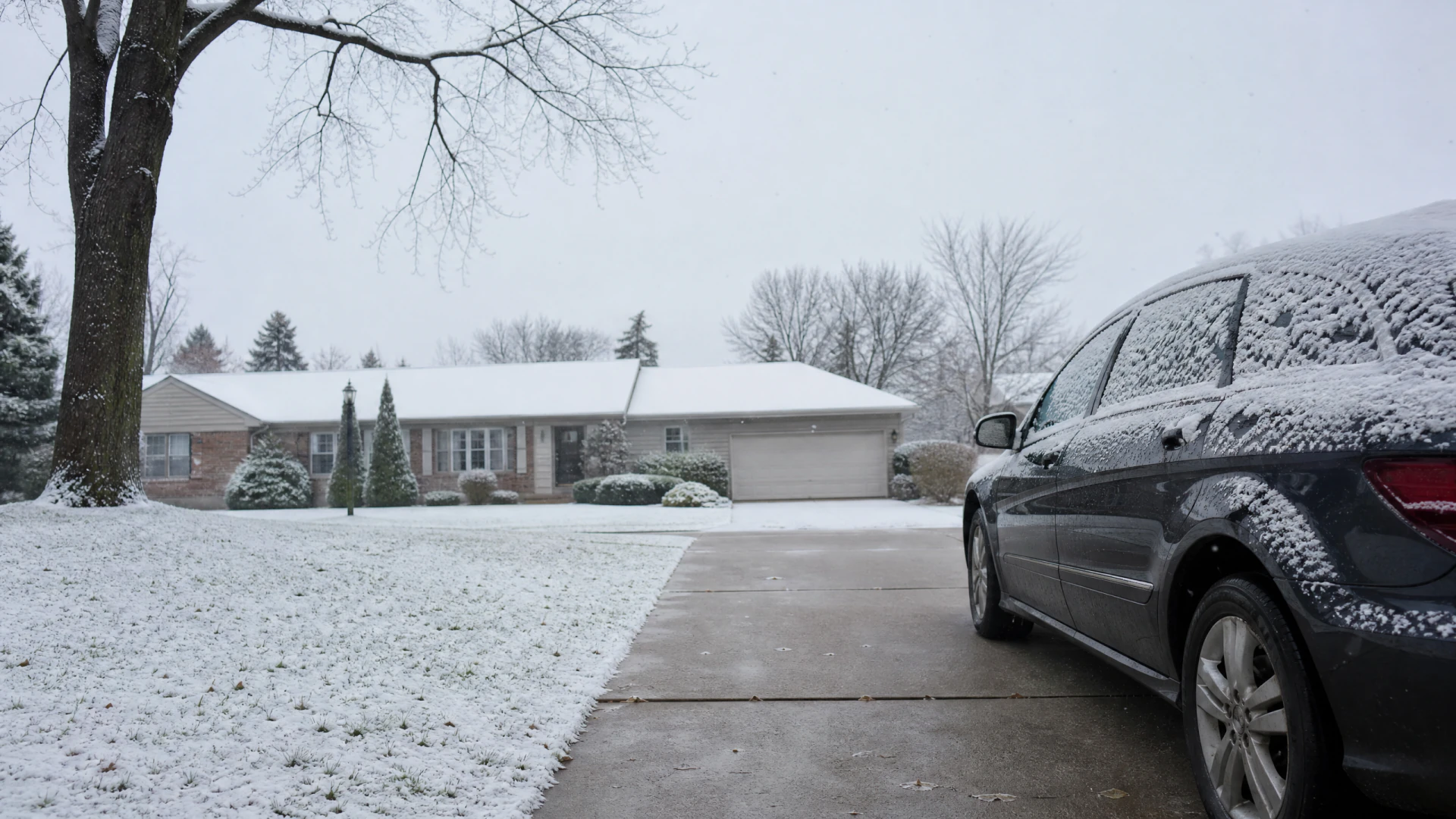
A reader took a job where she could walk to work and stopped driving her car most weeks. It still sat in her driveway, visible from the street, and she wondered if she could just cancel her policy until she needed the car again for a trip or emergency.
She called her state's motor vehicle agency first and learned that cars parked on a driveway visible from the street still needed to carry at least liability coverage, pause or no pause. Instead of canceling, she called her insurer and dropped collision coverage, since the car rarely moved and a collision was unlikely, but kept comprehensive in case of theft or storm damage. Her monthly cost dropped by a real amount without creating any gap in her coverage history, and when she started driving more again months later, restoring full coverage took one phone call.
The real choice isn't pause or pay full price. It's which coverages to drop while the car sits still.