Is It Really Necessary to Have Car Insurance
Yes, you need car insurance, both because the law requires it and because one bad accident could cost you far more than years of premiums.
It protects you from a bill you couldn't pay on your own
Car insurance exists because cars cause damage that's often bigger than what any one person can cover out of pocket. If you hit someone else's car, or hurt someone, the cost of repairs or medical care can run far past what most households keep in savings. Insurance spreads that risk so one bad afternoon doesn't follow you for years.
That's also why it's required almost everywhere you can legally drive. States set a minimum amount of coverage you must carry, usually for damage or injury you cause to others. The exact minimum and the rules around it vary by state, so check what your state requires rather than assuming your policy matches a friend's in another state.
The part you have more control over is how much beyond that minimum you carry, and that's where the real decision sits. Liability coverage protects other people from what you do. Coverage for your own car, like collision or comprehensive, protects what you own. If your car is older and worth little, you might reasonably decide thinner coverage on the car itself is fine. If you'd struggle to replace it, that decision looks different.
Where people get hurt is dropping the required coverage, letting a policy lapse, or assuming a cheap policy meets the legal bar when it doesn't. A lapse can mean fines, a suspended license, or a much higher rate when you reapply. None of that changes by state, only the specifics around it do, so confirm the details for where you live before you decide what to cut.

The short version
Yes, you need car insurance, both because it's legally required and because it protects you from costs you likely can't cover alone. The real decision isn't whether to have it, but how much beyond the legal minimum fits your car and your finances. Check your state's minimum, then decide what else you can safely drop.
How much coverage do I actually need beyond the legal minimum?
This comes down to what you'd lose if things went wrong, not just what the law demands. The minimum covers damage you cause to others. It says nothing about your own car, your own injuries, or what happens if the other driver has no insurance at all.
If your car is worth little, skipping collision or comprehensive coverage can make sense, since a payout would be small anyway. If replacing your car would be a real financial hit, that coverage matters more. Add in protection against uninsured drivers if that's common where you live, and check what your state allows or requires there too. The right amount is the one that matches what you actually stand to lose, not the cheapest policy that technically satisfies the law.
Now that you know what coverage you actually need, compare quotes to find it at the lowest price.

When an older car changes the math
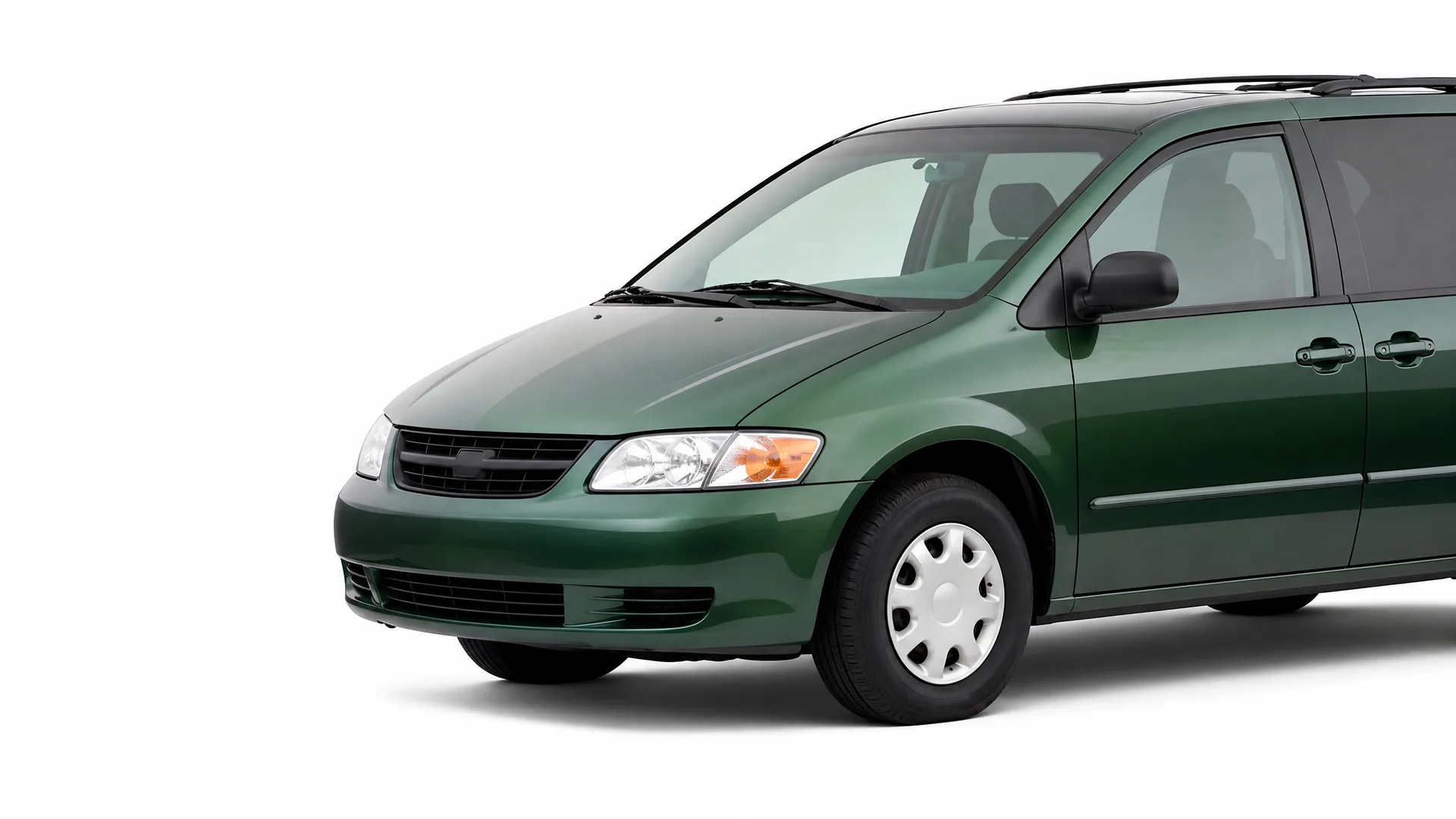
Say you drive a car that's eight years old and worth a modest amount if you sold it today. You've been paying for full coverage, including collision and comprehensive, because that's what you started with when the car was new. Every month it eats into a budget that's already tight, and you've started wondering if you're protecting a car that isn't worth protecting that heavily anymore.
You check what the car would actually sell for, then compare that to what collision and comprehensive are costing you over a year. The numbers are close enough that dropping those two makes sense, while keeping the liability coverage your state requires, since that protects you from a much bigger loss if you hurt someone else or damage their property. You make the change, keep the required coverage intact, and redirect what you were spending into savings you can use if the car ever needs major repairs or replacing. The required part of your coverage never moves. Only the part protecting a car that's already lost most of its value does.
The real decision is matching how much coverage you carry to what you'd actually lose, not whether to have it.