What Does a High Car Insurance Premium Mean
A high premium means insurers see more risk or more cost in your situation, and specific factors are driving that number up.
Your premium reflects risk and cost, not your worth as a driver
An insurer sets your premium by estimating how likely you are to file a claim and how much that claim would cost them. That estimate pulls from many inputs at once, your driving history, where you live and park, how far you drive, what you drive, and the coverage choices you made. A high number usually means one or more of those inputs is pushing the estimate up, not that something is wrong with you personally.
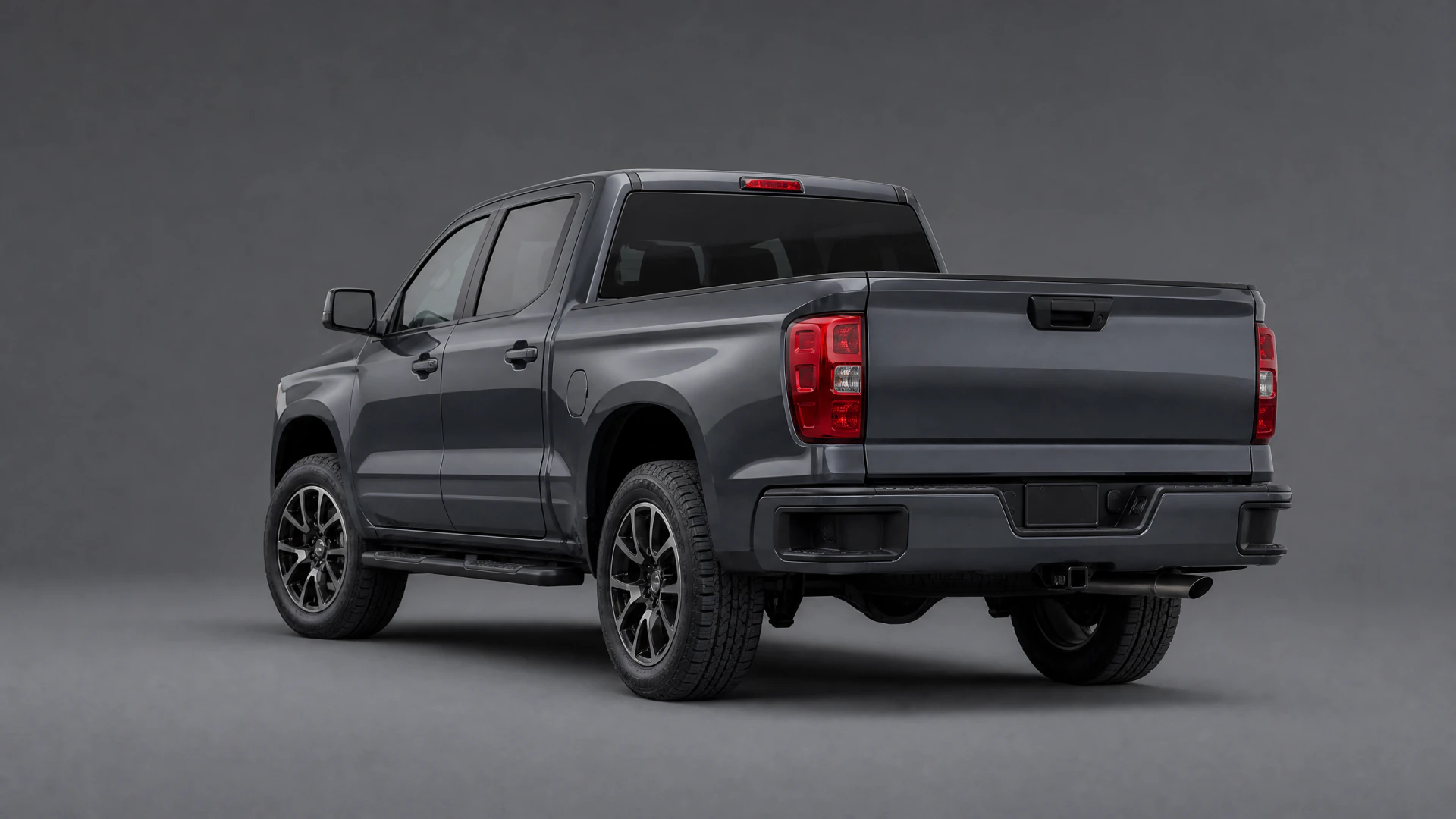
Some of what drives the number is about the car itself. Vehicles that cost more to repair or replace, get stolen more often, or perform worse in crash tests tend to cost more to insure regardless of who's driving them. If you recently changed vehicles and saw your premium jump, the car itself is often the reason.
Location matters too, and this is where things vary by state and even by zip code. Areas with more accidents, more theft, or higher repair and medical costs push premiums up for everyone nearby, including careful drivers. Insurers price local risk because they pay local claims, so check how your specific area factors in rather than assuming a statewide average applies to you.
Finally, your coverage choices shape the number directly. Higher liability limits, lower deductibles, and extra coverages like comprehensive or rental reimbursement all add to the premium because they add to what the insurer might have to pay out. A high premium paired with thin coverage is worth a second look, because it may mean the cost comes from risk factors rather than from protection you're actually getting.
The short version
A high premium means insurers have priced your risk or your car's risk as above average, through some mix of your driving history, your vehicle, your location, and your coverage choices. The fix isn't always less coverage. Pull a quote breakdown, see which factor is driving the cost, and adjust that specific thing before you touch anything else.

What's actually pushing your number up
- Your vehicle Expensive, frequently stolen, or costly-to-repair cars raise premiums regardless of driving record. Check your car's insurance cost before buying your next one.
- Where you keep it Accident rates and theft rates where you live and park affect your price, and this varies by state and insurer. Ask your agent how your specific area is rated.
- Your coverage limits Higher liability limits and lower deductibles both raise the premium because they shift more risk to the insurer. Decide what you can actually afford to pay out of pocket before lowering either.
- Recent claims or violations A recent accident or ticket typically raises your rate for a period that varies by insurer. Ask how long it affects your price and whether it's close to falling off.
- Missing discounts Many drivers qualify for discounts they aren't getting, like bundling, low mileage, or safety features. Ask directly which ones apply to you instead of assuming none do.
Now that you know what drives your premium, compare quotes to find the insurer that prices your risk lowest.

Should you accept the high premium or dig into why
If you do
If you accept it and pay without asking why, you keep your coverage intact and avoid the time cost of shopping around. But you may keep overpaying for years if the real driver is a fixable discount gap or a coverage choice you didn't mean to make, since nothing changes until you ask.
If you don't
If you ask for a breakdown and compare it against other quotes, you find out exactly which factor is raising your cost. That lets you fix the right thing, whether it's a discount you're missing or a deductible that no longer fits your budget, instead of guessing or cutting coverage blindly.
A driver whose premium jumped after moving
A driver kept the same car and the same clean driving record but moved to a new apartment across town. When the renewal notice came, the premium had gone up noticeably, and nothing about the driver had changed. Confused, they called their insurer and asked for a breakdown of the new price instead of just paying it or assuming the company had made an error.
The agent explained that the new zip code had a higher rate of claims, which affected the base price regardless of the driver's own record. Knowing the cause, the driver didn't try to fight the location factor, since that was fixed and unlikely to change. Instead they asked what discounts they qualified for at the new address, found they'd never applied for a low-mileage discount they now qualified for since they worked from home, and also raised their deductible slightly since they had enough savings to cover it. Between the two changes, the increase was mostly offset, and the driver kept the same coverage they'd had before, just priced to match where the actual risk was coming from.